inscriptions
Mustafa Cevat ATALAY
HAKKINDA-about
GÜNCEL TÜRK RESMİNDE MODERNİTE KAVRAMI VE
RESSAM MUSTAFA CEVAT ATALAY’IN YAZITLAR SERİSİ
ÜZERİNE BİR DEĞERLENDİRME
TItle CorrectIon: An Assessment of the Concept of ModernIty In Contemporary TurkIsh PaIntIng and Mustafa Cevat Atalay’s InscrIptIon SerIes
.. Mustafa Cevat Atalay’ın eserlerinin anlam diline bakıldığında,
modernizmin bütün dinamiklerinin yanında, kapitalizmin dayatması olan kültürel erozyona
karşıt bir duruşu olduğu görülmektedir. Özellikle Yazıtlar serisi olarak isimlendirdiği
eserlerinde, gelenekle hesaplaşma veya öteleme yerine, modernle tarihseli sentezleme çabası
dikkati çekmektedir.
Güncel sanatın; üretim ögeleri, materyal, kullanılan yenilikler açısından kendisine tanımladığı
sınırsız özgürlükler ele alındığında, sanat objesi hakkında sanatçının fikri üretim şeklinde
kendini gösteren özgünlükten söz etmek mümkündür (Başbuğ, 2021: 57). Atalay, için de bu
özgünlük çabası, onun resimlerini Türk kültüründen beslenen soyut varlıklara dönüştürürken,
aynı zamanda modern resim geleneğinin tüm özelliklerini içinde barındıran özgürlükçü
kimliğini ortaya koymaktadır. Modernizmin geçmişi reddetmesine karşın, post- modernizmin
kuşatıcı söylem dili ile geçmişe sahip çıkan bir Atalay ile karşılaşılmaktadır.
Lyotard’ın (2020: 20) postmodernizmin temel aldığı insanın özgürleşmesi kavramı, Atalay
resimlerinin başlıca çıkış felsefesini oluşturması açısından dikkate değerdir. Modern sanatın
ilke ve elemanlarını sonuna kadar kullanan ve özümseyen Atalay, konu bakımından gelenekçi
bir anlayışı benimserken, üslup bakımından geleneği reddeden çizgisiyle özgün bir dil
oluşturarak Türk sanatı içinde kendini farklı bir yere konumlandırmıştır.
Modernist sanatçıların, gelenekçilerin geçmiş otoritesini yıkmak zorunda kalmaları, yeni
değerler getirmeleri ve duygu çeşitliliğine gitmelerini mümkün kılmıştır (Crow, 2004: 251).
Ancak bu durum Atalay resmi açısından bir anlam ifade etmemektedir. O, modernist hareketin
geçmişle hesaplaşma hedefini, eserleri açısından yerelle evrensel arasında bir alana
konumlandırmaktadır. Dünya sanatında bu şekilde idealleri olan sanatçılar mevcuttur. Hatta
sanatlarındaki özgürlükçü tutumlarını, yaşadıkları coğrafyalarda sürdüremeyenler, özellikle
Amerika Birleşik Devletleri’ne giderek kendileri için daha özgür bir ortam arayışı içinde
olmuşlardır. New York Ekolü olarak adlandırılan bu sanatçıların birlikteliği, kolektif bir
hareket olarak sanat tarihine geçmiştir.
New York ekolü olarak adlandırılan Soyut Dışavurumculuk, Kübizm ve Gerçeküstücülük
sanat akımlarından etkilenen sanatçıları inceleyen Atalay, eserlerinde renkçi dönüşümler
meydana getirerek, tuval üzerinde tespit ettiği renkleri, biçimsel dokuya çevirerek, geçmiş
kültürlerin formlarına dönüştürmüştür (Öndin, 2019: 267). Özellikle görüntü açısından uzaktan
leke haricinde resimsel bir ifade olarak direk psikolojik etki meydana getiren formlar, yakından
incelendiğinde, kendi içinde anlamsal bir bütünlük meydana getirmektedir.
Görüntü, zaman ve mekânda kullanılan duyusal temel araçlardan biridir (Leppert, 2009:
18). Dolayısıyla görüntü, soyut, yinelenebilir göstergeler ve seslerle temsile ulaşan bir yapı
içinde Atalay’ın resimsel dilinin bir parçasını oluşturmaktadır. Atalay, resimlerinde kadim
kültürlerin simetrik ve geometrik formlarını direk olarak kompozisyonun bir parçası
yapmaktansa, kaligrafik sert konturlar biçiminde fırça tuşlarıyla zemine yaymaktadır. Böylece
maddeyi soyutlamaya giden anlayış ile kendi biçim dilini oluşturmaktadır.
leke haricinde resimsel bir ifade olarak direk psikolojik etki meydana getiren formlar, yakından
incelendiğinde, kendi içinde anlamsal bir bütünlük meydana getirmektedir.
Görüntü, zaman ve mekânda kullanılan duyusal temel araçlardan biridir (Leppert, 2009:
18). Dolayısıyla görüntü, soyut, yinelenebilir göstergeler ve seslerle temsile ulaşan bir yapı
içinde Atalay’ın resimsel dilinin bir parçasını oluşturmaktadır. Atalay, resimlerinde kadim
kültürlerin simetrik ve geometrik formlarını direk olarak kompozisyonun bir parçası
yapmaktansa, kaligrafik sert konturlar biçiminde fırça tuşlarıyla zemine yaymaktadır. Böylece
maddeyi soyutlamaya giden anlayış ile kendi biçim dilini oluşturmaktadır.
Şekil 4. M. Cevat Atalay, Yazıtlar, 100×100 cm
Soyutlama eğilimi, sanat tarihinin kalıcı bir özelliği olarak belirli dönemlerde, mesela
neolitik çağda veya ilkel sanatın, Kelt sanatının, Arap sanatının belirli evrelerinde baskın üslup
haline gelmiştir (Read, 2020: 100). Aslında soyutlama kültürü, mağara resimlerinden itibaren
anlamsal bir bütünlük arz etmeyen insan elinin her değdiği izlerde mevcuttur. Ancak gerçekçi
ve ilkesel resim dili, akademik eğitimin bir dayatması olarak sanatın amacını belirlemiştir.
Dolayısıyla Atalay’ın yarattığı kişisel evren, geçmiş ressamlarda olduğu gibi bu akademik katı
kurallara başkaldırı niteliğindedir. Atalay, sadece formları evrimleştirerek soyuta yönelen bir
sanatçı değil, aynı zamanda soyut lekesel dönüşümlerle “hareketli soyut” ifadeler ortaya
atmaktadır.
Rosenberg’in 1952 yılında tanımladığı “hareketli soyut” kavramı, yaratma süreci açısından
farklı bir tanımlama biçimi olarak sanat tarihine girmiştir (Kandel, 2020: 101). Bu kavram
özelinde Atalay’ın resim dili incelendiğinde, onun çalışmalarının soyut “şeylere” hareket
kazandırarak kendi içinde yeniden maddesel dönüşümlere izin verdiği görülmektedir. Böylece
bazı resimlerinde renk lekelerinin arasında beliren figürler, portreler, işaretler ortaya
çıkmaktadır. İnsan doğası gereği, soyutlamanın ardında maddesel nesneler arayan bir varlık
olarak, Atalay’ın eserlerine bakarken, bu şekilde bir dönüşüm arayışı içinde bulunmaktadır.
Lawson’a göre, insanlar yeninin ardındaki şeyi görmek istemişlerdir (Aktaran Giderer,
2003: 72). Atalay’ın izleyiciye sunmaya çalıştığı bu yeni şey, farklı resimlerindeki arayış ve
merakı artırmaktadır. Böylece onun resimlerini inceleyen izleyici, her resminde zorunlu olarak
farklı bir arayışa yönelmektedir. İnsan, arayışı neticesinde mükâfat olarak hakikat ve bilgiye
ulaşarak tatmin olan akılsal bir yapıda olduğu içindir ki keşfetmeye meyilli bir varlıktır.
Hakikat veya bilginin deneyim, argüman ve düşünsel irdeleme yoluyla olası bir revizyonu
yapan önermelerin yolunu açan keşfetmeye yönelik önemli bir yanı vardır (Harris, 2001: 43).
Atalay’ın eserlerinde bu hakikat ve bilgiyi içeren argümanların bulunması, onun sanatının
gücünü ve temsilini ortaya koymaktadır. Kullandığı nesneler, çeşitli materyaller, çizgisel
ifadeler, dokular, aynı zamanda onun kültürel alt yapısını oluşturmaktadır.
Dwight Macdonald’a göre kültür, resmi bir çizgiye, siyasetin gerekliliklerine bağlama
girişiminde bulunulursa tehlike arz etmektedir (Aktaran Guilbaut, 2009: 71). Atalay’ın
eserlerinde siyasi, ideolojik veya geçmişle hesaplaşma yöneliminden ziyade, geçmiş
kültürlerin kullandığı dilin moderne dönüştürülmesi serüveni söz konusudur.
Resim sanatında anlam dili oluşturan çok az sayıda Türk sanatçı, Batının sanat adına ilke ve
normları seviyesinde işler üretmiştir. Türk resminin çoğunlukla dekoratif resim anlayışı
üzerine kurulu temeli, akademik eğitimin yeterince verilememesi, Türk resminin gelişimini
yavaşlatan unsurlardan bazılarıdır. Sanata yeni formlar kazandırma sürecinde geriye düşen
Türk sanatçısı, eserlerinde anlam örüntü dilini yansıtmakta zorlanırken, çıkış yolunu Batı
temelli sanatçıların eserlerinden etkilenerek belirlemeye çalışsa da, görece olarak beklenen
seviyeye ulaştığı düşünülmemektedir. Bireysel sanatı kabul etmiş, Anadolu’nun ortasında
sanat eğitimi almış Mustafa Cevat Atalay’ın eserleri, bu arayışta kendi form dilini oluştururken,
geleneksel formları kompozisyonun merkezine yerleştiren bir yansıma hedeflemiştir.
Köklerini, doğu kültürünün motif dilinde, taş kabartmalarda, toplulukların el sanatlarındaki
geometrik formlarda bulan Atalay, renk aralarında kullandığı koyu konturlarla, lekesel
geçişlerle bağlantı kurmuştur. Eserlerinde tesadüfî dokulara yer vermeyen sanatçı, kendine has
detaycı yaklaşımla asimetrik formlara dönüştürdüğü non-figüratif öğelerle sembolik
göndermeler ifade etmiştir. Yazıtlar serisi, farklı formlara kazınmış kelime bütünlüğünün tuval
üzerinde yeniden inşasını yansıtmaktadır.
Sanatçı, yaşadığımız çağda sanatı açısından belki hak ettiği seviyeye tam ulaşamasa da,
gelecekte onun sanatını anlayan ve özümseyen bir nesle hitap edecektir. Eserlerindeki derin
anlam ve ifadelerin özelliklerinin iyi anlaşılması için mutlak surette tarihsel çıkış yolunun
incelenmesi gereklidir. Atalay’ın eserleri geçmiş kadim kültürlerin kodlarını çözümleme
gayretinin veya yorumunun izleri şeklindedir. Çizgisel formlar, geniş renk lekeleri, fonda
bırakılan dingin yüzeyler, kompozisyonun ortasına yerleştirilmiş küçük ve sıkışık pentürel
dinamizm, eserlerindeki anlam örüntüsünü derinleştirmektedir. Sıcak ve soğuk renk dengesini
koruyan, fonda sağladığı dinginlikle, kompozisyonun ön planında kullandığı renk lekelerine
ve dokularına yer açarak, derinliği artıran Atalay, koyu renkler ile sıcak renkleri yan yana
getirerek resmin etki gücünü üst seviyeye çıkarmaktadır. Böylece Atalay’ın sanatsal yolculuğu,
izleyiciyi tarihsel bir yolculuğa çekmekte ve resimlerindeki anlam dilinin şifrelerini zamana
bırakmaktadır. Prof Dr. Fatih BAŞBUĞ :
Lawson’a göre, insanlar yeninin ardındaki şeyi görmek istemişlerdir (Aktaran Giderer,
2003: 72). Atalay’ın izleyiciye sunmaya çalıştığı bu yeni şey, farklı resimlerindeki arayış ve
merakı artırmaktadır. Böylece onun resimlerini inceleyen izleyici, her resminde zorunlu olarak
farklı bir arayışa yönelmektedir. İnsan, arayışı neticesinde mükâfat olarak hakikat ve bilgiye
ulaşarak tatmin olan akılsal bir yapıda olduğu içindir ki keşfetmeye meyilli bir varlıktır.
Hakikat veya bilginin deneyim, argüman ve düşünsel irdeleme yoluyla olası bir revizyonu
yapan önermelerin yolunu açan keşfetmeye yönelik önemli bir yanı vardır (Harris, 2001: 43).
Atalay’ın eserlerinde bu hakikat ve bilgiyi içeren argümanların bulunması, onun sanatının
gücünü ve temsilini ortaya koymaktadır. Kullandığı nesneler, çeşitli materyaller, çizgisel
ifadeler, dokular, aynı zamanda onun kültürel alt yapısını oluşturmaktadır.
Dwight Macdonald’a göre kültür, resmi bir çizgiye, siyasetin gerekliliklerine bağlama
girişiminde bulunulursa tehlike arz etmektedir (Aktaran Guilbaut, 2009: 71). Atalay’ın
eserlerinde siyasi, ideolojik veya geçmişle hesaplaşma yöneliminden ziyade, geçmiş
kültürlerin kullandığı dilin moderne dönüştürülmesi serüveni söz konusudur.
Resim sanatında anlam dili oluşturan çok az sayıda Türk sanatçı, Batının sanat adına ilke ve
normları seviyesinde işler üretmiştir. Türk resminin çoğunlukla dekoratif resim anlayışı
üzerine kurulu temeli, akademik eğitimin yeterince verilememesi, Türk resminin gelişimini
yavaşlatan unsurlardan bazılarıdır. Sanata yeni formlar kazandırma sürecinde geriye düşen
Türk sanatçısı, eserlerinde anlam örüntü dilini yansıtmakta zorlanırken, çıkış yolunu Batı
temelli sanatçıların eserlerinden etkilenerek belirlemeye çalışsa da, görece olarak beklenen
seviyeye ulaştığı düşünülmemektedir. Bireysel sanatı kabul etmiş, Anadolu’nun ortasında
sanat eğitimi almış Mustafa Cevat Atalay’ın eserleri, bu arayışta kendi form dilini oluştururken,
geleneksel formları kompozisyonun merkezine yerleştiren bir yansıma hedeflemiştir.
Köklerini, doğu kültürünün motif dilinde, taş kabartmalarda, toplulukların el sanatlarındaki
geometrik formlarda bulan Atalay, renk aralarında kullandığı koyu konturlarla, lekesel
geçişlerle bağlantı kurmuştur. Eserlerinde tesadüfî dokulara yer vermeyen sanatçı, kendine has
detaycı yaklaşımla asimetrik formlara dönüştürdüğü non-figüratif öğelerle sembolik
göndermeler ifade etmiştir. Yazıtlar serisi, farklı formlara kazınmış kelime bütünlüğünün tuval
üzerinde yeniden inşasını yansıtmaktadır.
Sanatçı, yaşadığımız çağda sanatı açısından belki hak ettiği seviyeye tam ulaşamasa da,
gelecekte onun sanatını anlayan ve özümseyen bir nesle hitap edecektir. Eserlerindeki derin
anlam ve ifadelerin özelliklerinin iyi anlaşılması için mutlak surette tarihsel çıkış yolunun
incelenmesi gereklidir. Atalay’ın eserleri geçmiş kadim kültürlerin kodlarını çözümleme
gayretinin veya yorumunun izleri şeklindedir. Çizgisel formlar, geniş renk lekeleri, fonda
bırakılan dingin yüzeyler, kompozisyonun ortasına yerleştirilmiş küçük ve sıkışık pentürel
dinamizm, eserlerindeki anlam örüntüsünü derinleştirmektedir. Sıcak ve soğuk renk dengesini
koruyan, fonda sağladığı dinginlikle, kompozisyonun ön planında kullandığı renk lekelerine
ve dokularına yer açarak, derinliği artıran Atalay, koyu renkler ile sıcak renkleri yan yana
getirerek resmin etki gücünü üst seviyeye çıkarmaktadır. Böylece Atalay’ın sanatsal yolculuğu,
izleyiciyi tarihsel bir yolculuğa çekmekte ve resimlerindeki anlam dilinin şifrelerini zamana
bırakmaktadır.
Prof Dr. Fatih BAŞBUĞ
Prof. Dr. Fatih BAŞBUĞ
Full Page: https://dergipark.org.tr/tr/download/article-file/3102007
. When we look at the meaning of Mustafa Cevat Atalay’s works,
In addition to all the dynamics of modernism, the cultural erosion imposed by capitalism
It seems that he has an opposing stance. Especially the ones he called the Inscriptions series.
In his works, he tries to synthesize the modern with the historical, instead of reckoning with or postponing tradition.
attracts attention.
Contemporary art; defined for itself in terms of production elements, materials, innovations used
Considering unlimited freedoms, the artist’s idea about the art object is in the form of production.
It is possible to talk about the originality that manifests itself (Başbuğ, 2021: 57). Atalay, this is for you too
While his effort for originality transforms his paintings into abstract entities nourished by Turkish culture,
At the same time, it is a libertarian painting that contains all the features of the modern painting tradition.
reveals his identity. Although modernism rejects the past, post-modernism
One encounters an Atalay who protects the past with his encompassing discourse language.
Lyotard’s (2020: 20) concept of human liberation, which postmodernism is based on, Atalay
It is noteworthy in terms of constituting the main philosophy of his paintings. modern art
Atalay, who used and internalized the principles and elements to the fullest, was a traditionalist in terms of subject.
An original language with a line that rejects tradition in terms of style while embracing an understanding
By creating it, it has positioned itself in a different place within Turkish art.
Modernist artists had to destroy the past authority of traditionalists,
It made it possible for them to bring values and diversity of emotions (Crow, 2004: 251).
However, this situation does not make any sense in terms of Atalay’s picture. He is the modernist movement
He puts his goal of reckoning with the past in an area between the local and the universal in terms of his works.
It positions. There are artists with such ideals in world art. Even
Those who cannot maintain their liberal attitude in their arts in the geographies they live in, especially
They went to the United States in search of a freer environment for themselves.
they have been. The unity of these artists, called the New York School, is a collective
It entered the history of art as a movement.
Abstract Expressionism, Cubism and Surrealism, called the New York school
Examining the artists affected by art movements, Atalay used colorist transformations in his works.
by creating and transforming the colors detected on the canvas into formal texture,
transformed it into the forms of cultures (Öndin, 2019: 267). Especially from a distance in terms of view
Forms that create a direct psychological effect as a pictorial expression other than a stain are
When examined, it creates a semantic integrity within itself.
Image is one of the basic sensory tools used in time and space (Leppert, 2009:
18). Therefore, image is a structure that achieves representation through abstract, repeatable signs and sounds.
It forms a part of Atalay’s pictorial language. Atalay, ancient people in his paintings
symmetrical and geometric forms of cultures are directly part of the composition.
Rather than making it, he spreads it on the ground with brush keys in the form of calligraphic hard contours. Like this
It creates its own form language with the understanding of abstracting matter.
Forms that create a direct psychological effect as a pictorial expression other than a stain are
When examined, it creates a semantic integrity within itself.
Image is one of the basic sensory tools used in time and space (Leppert, 2009:
18). Therefore, image is a structure that achieves representation through abstract, repeatable signs and sounds.
It forms a part of Atalay’s pictorial language. Atalay, ancient people in his paintings
symmetrical and geometric forms of cultures are directly part of the composition.
Rather than making it, he spreads it on the ground with brush keys in the form of calligraphic hard contours. Like this
It creates its own form language with the understanding of abstracting matter.
Figure 4. M. Cevat Atalay, Inscriptions, 100×100 cm
The tendency towards abstraction has become a permanent feature of art history at certain periods, e.g.
dominant style in the neolithic age or in certain phases of primitive art, Celtic art, Arabic art
has become (Read, 2020: 100). In fact, abstraction culture has been around since cave paintings.
It is present in every trace touched by the human hand, which does not present a semantic integrity. But realistic
and the principled language of painting determined the purpose of art as an imposition of academic education.
Therefore, the personal universe created by Atalay, as in the past painters, is based on this academic level.
It is a rebellion against the rules. Atalay is a person who gravitates towards the abstract by only evolving forms.
not only the artist but also creates “moving abstract” expressions with abstract spotty transformations.
is beating.
The concept of “moving abstract”, defined by Rosenberg in 1952, is important in terms of the creation process.
It entered art history as a different form of definition (Kandel, 2020: 101). this concept
When Atalay’s painting language is examined in particular, it is seen that his works move towards abstract “things”.
It is seen that it allows material transformations within itself. Like this
In some of his paintings, figures, portraits and signs appear among the color spots.
is coming out. By nature, human beings are creatures that seek material objects beyond abstraction.
As such, he is in search of such a transformation while looking at Atalay’s works.
According to Lawson, people wanted to see what was behind the new (Quoted by Giderer,
2003: 72). This new thing that Atalay is trying to present to the audience is the search and
It increases curiosity. Thus, the viewer who examines his paintings will necessarily see
turns to a different quest. As a result of his search, man seeks truth and knowledge as a reward.
Because he has a mental structure that is satisfied by reaching, he is a being that tends to explore.
A possible revision of truth or knowledge through experience, argument, and intellectual deliberation.
It has an important aspect of discovery that paves the way for propositions that make sense (Harris, 2001: 43).
The presence of arguments containing this truth and knowledge in Atalay’s works makes his art
It reveals its power and representation. The objects he uses are various materials, linear
expressions and textures also constitute its cultural infrastructure.
According to Dwight Macdonald, culture is the ability to bind to an official line and the requirements of politics.
It is dangerous if attempted (Quoted by Guilbaut, 2009: 71). Atalay’s
In his works, rather than political, ideological or an orientation towards reckoning with the past, he
There is an adventure of transforming the language used by different cultures into modern ones.
Very few Turkish artists who created a language of meaning in painting art adopted the principles and principles of the West in the name of art.
has produced work at the level of standards. Turkish painting’s mostly decorative painting approach
The foundation built on it, the lack of adequate academic education, the development of Turkish painting.
These are some of the factors that slow things down. Those who fell behind in the process of bringing new forms to art
While the Turkish artist had difficulty in reflecting the language of meaning and pattern in his works, he found his way out in the West.
Although it tries to determine the results by being influenced by the works of based artists, it is relatively expected
It is not thought to have reached this level. He accepted individual art, in the middle of Anatolia
While the works of Mustafa Cevat Atalay, who received art education, created his own form language in this search,
He aimed for a reflection that placed traditional forms at the center of the composition.
Its roots lie in the motif language of eastern culture, stone reliefs, and the handicrafts of communities.
Atalay, who finds geometric forms, uses dark contours between colors and stains.
linked to transitions. The artist, who does not include random textures in his works, has his own unique
symbolic with non-figurative elements that he transformed into asymmetrical forms with a detailed approach.
stated references. Inscriptions series, canvas of word integrity engraved on different forms
It reflects the reconstruction on the
Although the artist may not have reached the level he deserves in terms of his art in the age we live in,
In the future, he will appeal to a generation that understands and assimilates his art. The depth in his works
In order to understand the characteristics of meanings and expressions well, the historical path must be taken.
needs to be examined. Atalay’s works analyze the codes of past ancient cultures.
are in the form of traces of his effort or interpretation. Linear forms, large color spots, background
The serene surfaces left behind are small and cramped panels placed in the middle of the composition.
Dynamism deepens the meaning pattern in his works. Balance warm and cold colors
protects the color spots used in the foreground of the composition with the serenity it provides in the background.
Atalay, who increases the depth by making room for the colors and textures, uses dark colors and warm colors side by side.
It increases the impact power of the picture to the highest level. Thus, Atalay’s artistic journey
He draws the viewer on a historical journey and reveals the codes of the meaning language in his paintings to time.
leaving. Prof. dr. Fatih BAŞBUĞ:
According to Lawson, people wanted to see what was behind the new (Quoted by Giderer,
2003: 72). This new thing that Atalay is trying to present to the audience is the search and
It increases curiosity. Thus, the viewer who examines his paintings will necessarily see
turns to a different quest. As a result of his search, man seeks truth and knowledge as a reward.
Because he has a mental structure that is satisfied by reaching, he is a being that tends to explore.
A possible revision of truth or knowledge through experience, argument, and intellectual deliberation.
It has an important aspect of discovery that paves the way for propositions that make sense (Harris, 2001: 43).
The presence of arguments containing this truth and knowledge in Atalay’s works makes his art
It reveals its power and representation. The objects he uses are various materials, linear
expressions and textures also constitute its cultural infrastructure.
According to Dwight Macdonald, culture is the ability to bind to an official line and the requirements of politics.
It poses a danger if attempted. (Quoted by
Guilbaut, 2009: 71). Atalay’s
In his works, rather than political, ideological or an orientation towards reckoning with the past, he
There is an adventure of transforming the language used by different cultures into modern ones.
Very few Turkish artists who created a language of meaning in painting art adopted the principles and principles of the West in the name of art.
has produced work at the level of standards. Turkish painting’s mostly decorative painting approach
The foundation built on it, the lack of adequate academic education, the development of Turkish painting.
These are some of the factors that slow things down. Those who fell behind in the process of bringing new forms to art
While the Turkish artist had difficulty in reflecting the language of meaning and pattern in his works, he found his way out in the West.
Although it tries to determine the results by being influenced by the works of based artists, it is relatively expected
It is not thought to have reached this level. He accepted individual art, in the middle of Anatolia
While the works of Mustafa Cevat Atalay, who received art education, created his own form language in this search,
He aimed for a reflection that placed traditional forms at the center of the composition.
Its roots lie in the motif language of eastern culture, stone reliefs, and the handicrafts of communities.
Atalay, who finds geometric forms, uses dark contours between colors and stains.
linked to transitions. The artist, who does not include random textures in his works, has his own unique
symbolic with non-figurative elements that he transformed into asymmetrical forms with a detailed approach.
stated references. Inscriptions series, canvas of word integrity engraved on different forms
It reflects the reconstruction on the
Although the artist may not have reached the level he deserves in terms of his art in the age we live in,
In the future, he will appeal to a generation that understands and assimilates his art. The depth in his works
In order to understand the characteristics of meanings and expressions well, the historical path must be taken.
needs to be examined. Atalay’s works analyze the codes of past ancient cultures.
are in the form of traces of his effort or interpretation. Linear forms, large color spots, background
The serene surfaces left behind are small and cramped panels placed in the middle of the composition.
Dynamism deepens the meaning pattern in his works. Balance warm and cold colors
protects the color spots used in the foreground of the composition with the serenity it provides in the background.
Atalay, who increases the depth by making room for the colors and textures, uses dark colors and warm colors side by side.
It increases the impact power of the picture to the highest level. Thus, Atalay’s artistic journey
He draws the viewer on a historical journey and reveals the codes of the meaning language in his paintings to time.
leaving.
Mustafa Cevat Atalay’ın sanatı, insan duygularının ve bakış açılarının derinliklerine inerek, öğelerin asimetrik dizilişiyle izleyiciye eşsiz bir güzellik sunuyor.
Eserlerinin büyüleyici cazibesi, sanatın geleneksel sınırlarını aşarak derin düşünce ve duyguları uyandırma yeteneklerinde yatmaktadır. Atalay’ın sanatı kasıtlı asimetri aracılığıyla, derin düşünceye ve iç gözleme davet ederek izleyiciyi insan deneyiminin karmaşıklığını ve akışkanlığını keşfetmeye teşvik ediyor. Her parça, simetrinin yerini daha organik ve düşündürücü bir estetik ifade biçimine bıraktığı bir alana açılan bir kapı görevi görüyor ve sanat eseri ile izleyicileri arasında daha derin bir bağ kuruyor. Geleneksel denge ve orantı kavramlarından kasıtlı olarak ayrılma, Atalay’ın yaratımlarına canlılık ve dinamizm duygusu aşılamasına olanak tanıyor ve izleyicileri alışılmamışın derin bir güzelliğin kaynağı haline geldiği bir dünyaya çekiyor.
M. Cevat Atalay’ın resimlerinde ustaca kullanılan görsel unsurlar, doğal ve kültürel peyzajları, insan figürlerini ve soyut formları başarıyla resmetmektedir. Gerçekçilikten soyutlamaya, izlenimcilikten ekspresyonizme kadar çeşitli akımlardan etkilenen Atalay, sanat tarihinden ilham alarak kendi yaratıcı ifadesini ortaya koymuştur.
Atalay’un resimleri, sanatın özgün örnekleri olarak görülmelidir. Sanatın özgürleşmesini ve çeşitlenmesini yansıtan bu eserler, sanatın ne olduğu veya ne olması gerektiği gibi soyut soruların ötesine geçer. Atalay’ın eserleri, sanatın zenginliği ve çeşitliliğini yansıtarak izleyicilere derin bir duygu ve düşünce deneyimi sunar.
Sanatçının eserleri yurt içinde 12, yurt dışında ise 5 kişisel sergiyle ve birçok ulusal ve uluslararası sanat çalıştayı ve sempozyumda yer alarak tanınmıştır. Macaristan, Bulgaristan gibi ülkelerdeki sanatsal çalışmaları büyük ilgi görmüş ve uluslararası bienal, trienal ve çağrılı sergilerde eserleri sergilenmiştir. Eserleri birçok ülkenin başkentlerinde özel koleksiyonlarda ve müzelerde yer alırken, Japonya’dan Romanya’ya kadar geniş bir coğrafyada tanınmaktadır.
Atalay’ın eserlerinde kaligrafi ve modern yaklaşımla birleştirilen ritim, hareket ve enerji ustalıkla yüzeye yansıtılmaktadır. Özgün soyut evreni ve renkli figürleri, izleyicilere derin duygu ve düşünce deneyimleri sunar. Kadın figürleri ve kaligrafik ifadelerle ele aldığı serilerinde toplumun sıkça dayatılan kalıplarını sorgularken, diğer serilerinde bireylerin kişisel portrelerini kaligrafik bir yaklaşımla aktararak insanın iç dünyasını inceler. Gözlerin çoklu ve asimetrik düzenlemeleri, izleyicilerle etkileşim kurarak düşüncelerin ve duyguların belirginleşmesine katkı sağlar.
Mustafa Cevat Atalay’s art goes deep ınto human emotions and perspectıves and offers the vıewer a unıque beauty wIth the asymmetrıcal arrangement of elements.
2024, Borislav Petrov,Curator
The fascinating appeal of his works lies in their ability to evoke deep thoughts and emotions, transcending the traditional boundaries of art. Through deliberate asymmetry, Atalay’s art invites reflection and introspection, encouraging the viewer to explore the complexity and fluidity of human experience. Each piece acts as a gateway to a space where symmetry gives way to a more organic and thought-provoking form of aesthetic expression, creating a deeper connection between the artwork and its viewers. The deliberate departure from traditional concepts of balance and proportion allows Atalay to imbue his creations with a sense of liveliness and dynamism, drawing viewers into a world where the unconventional becomes a source of profound beauty.
The visual elements masterfully used in M. Cevat Atalay’s paintings successfully portray natural and cultural landscapes, human figures and abstract forms. Influenced by various movements from realism to abstraction, from impressionism to expressionism, Atalay revealed his own creative expression by taking inspiration from art history.
Atalay’s paintings should be seen as original examples of art. Reflecting the liberation and diversification of art, these works go beyond abstract questions such as what art is or should be. Atalay’s works reflect the richness and diversity of art and offer the audience a deep experience of emotion and thought.
The artist’s works have been recognized with 12 personal exhibitions in the country and 5 abroad, and by taking part in many national and international art workshops and symposiums. His artistic works in countries such as Hungary and Bulgaria have attracted great attention and his works have been exhibited in international biennials, triennials and invited exhibitions. While his works are in private collections and museums in the capitals of many countries, he is known in a wide geography from Japan to Romania.
In Atalay’s works, rhythm, movement and energy combined with calligraphy and a modern approach are skillfully reflected on the surface. Its unique abstract universe and colorful figures offer viewers deep emotional and thought experiences. While he questions the frequently imposed patterns of society in his series with female figures and calligraphic expressions, in his other series he examines the inner world of people by conveying the personal portraits of individuals with a calligraphic approach. Multiple and asymmetrical arrangements of the eyes contribute to the clarity of thoughts and emotions, interacting with the audience.
Hayallerin ve Duyguların Ressamı
Atalay’ın eserleri, hayal gücünün ve duyguların derinliklerine uzanan bir yolculuğa davet eder. Soyut ve figüratif çalışmalarıyla tanınan sanatçı, renkleri ve dokuları ustalıkla kullanarak her bir eserinde izleyicisine farklı duygusal deneyimler sunar. Sanatının tezahürü olarak kabul ettiği eserlerindeki detaylar, izleyiciyi içsel bir keşfe çıkarır. Atalay’ın eserleri, sanatseverler arasında büyük beğeni toplamaktadır ve birçok koleksiyonun vazgeçilmez parçaları arasında yer almaktadır.
Mustafa Cevat Atalay’ın resimleri, sizi sıradan dünyanın ötesine, hayallerin ve duyguların sınırsız evrenine taşıyor. Eserlerinde insanlar, hayvanlar, bitkiler ve nesneler arasında kurulan şaşırtıcı ve ilham verici ilişkiler, sizi hem gülümsetmeye hem de derin düşüncelere dalmaya davet ediyor.
Atalay’ın resimleri, sizi bir masalın ya da rüyanın büyülü atmosferine sürüklüyor. Her karakterin, her fırça darbesinin bir hikayesi var. Mutlu, hüzünlü, şaşkın veya korkmuş… Her bir resim, insan doğasının ve toplumsal yaşamın farklı yönlerini gözler önüne seriyor.
Yaratıcı Düşünceyi Teşvik Ediyor: Atalay’ın eserleri sadece güzel değil, aynı zamanda eleştirel ve provokatif. Kendi gerçekliğinizi sorgulamanıza ve hayallerinizin sınırlarını zorlamanıza imkan veriyor. Her resim, veda sonrası yeni bir başlangıcın mümkün olduğunu fısıldıyor.
Sanatsal Ustalık: Atalay, renklerin canlılığı, formların dinamizmi ve kompozisyonun kusursuz uyumu ile sanatındaki ustalığını kanıtlıyor. Akrilik boya kullanımı, fırça darbelerinin özgünlüğü ve dokudaki derinlik, resimlere samimi ve eşsiz bir karakter kazandırıyor.
Duygulara Hitap Ediyor: Atalay’ın resimleri sizi neşeye ve coşkuya davet ediyor. Özgün tarzı ve estetik açıdan değerli eserleri, izleyiciyi düşünmeye ve hissetmeye teşvik ediyor.
Farklı ve Özgün: Atalay’ın eserleri, sıra dışı ve özgün bir bakış açısı sunuyor. Başarılı ve etkileyici resimleri, renklerin ve formların ustaca kullanımı ile izleyiciyi büyülüyor.
Sonuç olarak, Mustafa Cevat Atalay’ın resimleri, sizi kendi dünyasına davet eden ve hayal gücünüzü uyandıran büyüleyici bir deneyim sunuyor. Bu eşsiz eserleri keşfetmeye ve sanatçının yaratıcı evrenine adım atmaya ne dersiniz?
Marco Taves
PaInter of Dreams and EmotIons
2023, Angelika Paveski, Artist
Atalay’s works invite you to a journey that extends into the depths of imagination and emotions. Known for his abstract and figurative works, the artist skillfully uses colors and textures to offer different emotional experiences to his audience in each of his works. The details in his works, which he accepts as a manifestation of his art, take the viewer on an inner discovery. Atalay’s works are highly appreciated among art lovers and are among the indispensable pieces of many collections.
Mustafa Cevat Atalay’s paintings take you beyond the ordinary world and into the unlimited universe of dreams and emotions. The surprising and inspiring relationships established between people, animals, plants and objects in his works invite you to both smile and dive into deep thoughts.
Atalay’s paintings drag you into the magical atmosphere of a fairy tale or a dream. Every character, every brush stroke has a story. Happy, sad, confused or scared… Each painting reveals different aspects of human nature and social life.
Encourages Creative Thinking: Atalay’s works are not only beautiful, but also critical and provocative. It allows you to question your own reality and push the limits of your dreams. Each picture whispers that a new beginning is possible after farewell.
Artistic Mastery: Atalay proves his mastery of art with the vibrancy of colors, dynamism of forms and perfect harmony of composition. The use of acrylic paint, the originality of brush strokes and the depth of texture give the paintings a sincere and unique character.
Appeals to Emotions: Atalay’s paintings invite you to joy and enthusiasm. His original style and aesthetically valuable works encourage the viewer to think and feel.
Different and Original: Atalay’s works offer an extraordinary and original perspective. His successful and impressive paintings fascinate the audience with his masterful use of colors and forms.
As a result, Mustafa Cevat Atalay’s paintings offer a fascinating experience that invites you into his world and awakens your imagination. How about discovering these unique works and stepping into the artist’s creative universe?
Soyut ve Figüratif Sanatın Ustası

Mustafa Cevat Atalay, Türk ressam ve eğitimci olarak tanınan bir sanatçıdır. Soyut ve figüratif eserleri, renklerin canlılığı, formların dinamizmi, ve kompozisyonun kusursuz uyumu ile sanatındaki ustalığını kanıtlamaktadır. Atalay’ın eserleri, izleyicisine farklı duygusal deneyimler sunmakta ve onları sıradan dünyanın ötesine, hayallerin ve duyguların sınırsız evrenine taşımaktadır.
Sanatçının resimleri, insanlar, hayvanlar, bitkiler ve nesneler arasında kurulan şaşırtıcı ve ilham verici ilişkilere odaklanarak hem gülümsetmeye hem de derin düşüncelere dalmaya davet ediyor. Atalay’ın eserleri, izleyicilere mutlu, hüzünlü, şaşkın veya korkmuş duygular yaşatırken insan doğasının ve toplumsal yaşamın farklı yönlerini gözler önüne sermektedir.
Bu eşsiz eserler, izleyicilerini kendi dünyasına davet ederek hayal gücünü uyandıran büyüleyici bir deneyim sunmaktadır. Mustafa Cevat Atalay’ın sanatı, estetik açıdan değerli eserleriyle izleyicileri düşünmeye ve hissetmeye teşvik etmektedir. Sanatseverler, Atalay’ın yaratıcı evrenine adım atarak bu eşsiz eserleri keşfetmeye davetlidir.
Master of Abstract and FIguratIve Art
2023, Seraphina Lorne,Art critic writer
Mustafa Cevat Atalay is a well-known Turkish painter and educator. His abstract and figurative works prove his mastery of art with the vibrancy of colors, dynamism of forms, and perfect harmony of composition. Atalay’s works offer different emotional experiences to his audience and take them beyond the ordinary world to the unlimited universe of dreams and emotions.
The artist’s paintings invite both smiles and deep thoughts by focusing on the surprising and inspiring relationships established between people, animals, plants and objects. Atalay’s works reveal different aspects of human nature and social life while making the audience experience happy, sad, confused or scared emotions.
These unique works offer a fascinating experience that awakens the imagination by inviting viewers into their own world. Mustafa Cevat Atalay’s art encourages viewers to think and feel with his aesthetically valuable works. Art lovers are invited to discover these unique works by stepping into Atalay’s creative universe.
Görsel Bir Şiir: Mustafa Cevat Atalay’ın Resimlerindeki Kaligrafik Zarafet”
Atalay’ın tuvalinde, sarı renklerin hakimiyeti ve kadın figürlerinin soyutlamasıyla toplumsal prototipleri sorguluyor. Sanatçının eserleri, izleyicilere derin bir düşünce ve duygusal deneyim sunarak geleneksel kalıpları sorgulama ve yeniden tanımlama fırsatı veriyor. Atalay’ın resimlerindeki kaligrafik zarafet, izleyicilere estetik bir zevkin yanı sıra, çağdaş toplumun karmaşıklıklarını da keşfetme imkanı sunuyor. Sarı renklerin hakimiyeti, sıcaklık, enerji ve iyimserlik hissi uyandırırken, kadın figürlerinin soyutlaması ise cinsiyet rolleri, kimlik ve özgürlük konularını ele alarak toplumsal normları sorgulamamıza yardımcı oluyor. Atalay’ın eserleri, onun sanat anlayışını yansıtarak izleyicilere derin ve özgün bir deneyim sunuyor.
Mustafa Cevat Atalay, çağdaş Türk resim sanatının özgün ve yaratıcı isimlerinden biridir. Resimlerinde, geleneksel sanatların formlarını, renklerini ve sembollerini, modern bir anlatımla yorumlar. Soyutlama, Atalay’ın duygu, düşünce ve hayallerini aktarmak için bir araç olarak hizmet eder, gerçekliği yansıtmak yerine. Çeşitlilik, farklı teknikler, malzemeler ve stillerle deney yapmasından kaynaklanır. Ritm, hareket ve dinamizm, sanatçının enerjisini ve yaşam sevincini resimlerine yansıtır. Atalay’ın resimlerinde geleneksel sanat izleri görülebilir; minyatür sanatının tasarım ögeleri, hat sanatının kaligrafik etkileri, tezhip sanatının geometrik ve bitkisel motifleri, halı ve kilim sanatının dokuma desenleri gibi. Bu ögeleri, kendi yaratıcı yorumuyla birleştirerek yeni bir estetik oluşturur. Renkler, geleneksel sanatlardaki anlamlarını korurken aynı zamanda modern bir renk uyumu sağlar. Semboller, geleneksel sanatlardaki kültürel ve dini anlatımları çağrıştırırken, aynı zamanda sanatçının kişisel ve evrensel mesajlarını iletmek için kullanılır. Soyutlama düzeyi değişkendir; bazı resimlerde gerçekçi bir anlatım tercih edilirken, bazılarında tamamen soyut bir dil kullanılır. Bu şekilde, sanatçı resimlerindeki anlamı zenginleştirir ve izleyiciye farklı yorum olasılıkları sunar. Çeşitlilik göze çarpar; farklı teknikler, malzemeler ve stillerle deney yapılır. Örneğin, resimlerinde yağlı boya, akrilik, kara kalem, pastel, kolaj gibi farklı teknikler kullanılır. Ritm, hareket ve dinamizm, sanatçının enerjisini ve yaşam sevincini resimlerine yansıtır. Sonuç olarak, Atalay’ın resimleri estetik ve duygusal bir tatmin sağlar, izleyiciye hem kültürel hem de evrensel bir mesaj verir, ve sanatçının ve izleyicinin yaratıcılığını keşfetme fırsatı sunar.
Kemal GÜLER SANATÇI
“A VIsual Poem: Callıgraphıc Elegance ın Mustafa Cevat Atalay’s Paıntıngs”
2015, Artist Kemal Güler
In Atalay’s canvas, he questions social prototypes with the dominance of yellow colors and the abstraction of female figures. The artist’s works provide viewers with a deep thought and emotional experience, giving them the opportunity to question and redefine traditional patterns. The calligraphic elegance in Atalay’s paintings offers viewers an aesthetic pleasure as well as the opportunity to explore the complexities of contemporary society. While the dominance of yellow colors evokes a feeling of warmth, energy and optimism, the abstraction of female figures helps us question social norms by addressing issues of gender roles, identity and freedom. Atalay’s works reflect his understanding of art and offer a deep and original experience to the audience.
Mustafa Cevat Atalay is one of the original and creative names of contemporary Turkish painting. In his paintings, he interprets the forms, colors and symbols of traditional arts with a modern expression. Abstraction serves as a tool to convey Atalay’s feelings, thoughts and dreams, rather than reflecting reality. The diversity comes from experimenting with different techniques, materials and styles. Rhythm, movement and dynamism reflect the artist’s energy and joy of life in his paintings. Traces of traditional art can be seen in Atalay’s paintings; such as design elements of miniature art, calligraphic effects of calligraphy, geometric and floral motifs of illumination art, weaving patterns of carpet and rug art. He creates a new aesthetic by combining these elements with his own creative interpretation. While the colors preserve their meanings in traditional arts, they also provide a modern color harmony. While symbols evoke cultural and religious expressions in traditional arts, they are also used to convey the artist’s personal and universal messages. The level of abstraction varies; While a realistic expression is preferred in some paintings, a completely abstract language is used in others. In this way, the artist enriches the meaning in his paintings and offers different interpretation possibilities to the viewer. Diversity is noticeable; Experimentation is done with different techniques, materials and styles. For example, different techniques such as oil paint, acrylic, charcoal, pastel and collage are used in his paintings. Rhythm, movement and dynamism reflect the artist’s energy and joy of life in his paintings. As a result, Atalay’s paintings provide aesthetic and emotional satisfaction, convey both a cultural and universal message to the viewer, and offer the opportunity to explore the creativity of the artist and the viewer.
Kemal GÜLER Artists
Yazıtlar, Mekanda Kadın – Mustafa Cevat Atalay
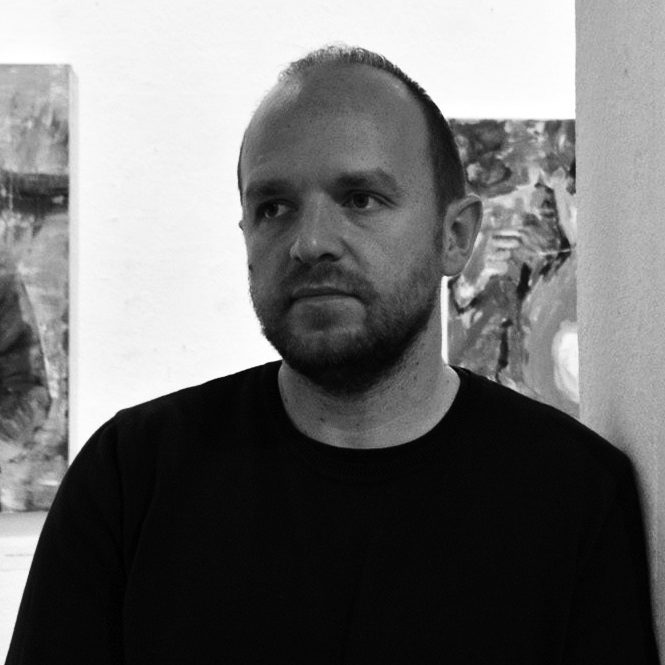
Yazıtlar, Mekanda Kadın, sanatçı Mustafa Cevat Atalay adlı son döngüde sonsuz sanat teması ve ilham ile: kadın, soyut için kendi yolunu bulur. Damla damla boyama tekniği ile birlikte İslam kültürünün kaligrafik sembolleri, lirik soyutlama ve soyut dışavurumculuğa benzeyen modern bir plastik anlambilimde tanımlanmıştır. Sanatçı eserlerinde hayaliyle diyaloga giriyor; formu bu şekilde oluşturur ve deforme eder; daha sonra kadın bedeni deformasyonlara uğrar ve sonunda kompozisyon alanına anımsatıcı bir sembol olarak girer. Kaligrafik yazıtlar, sanatçının kadın bedeni tematik görüşünün dayandığı duygusal segmenti harekete geçirir – medyada bir iletişim konusu olarak, yani kadını bir birey olarak en aza indirmek için kullanılır. Aynı zamanda, plastik olarak yerleştirilmiş yazıtlar bağlamında, form yazarın sanatsal manipülasyonunda yer alan ironik bir mesaj sunarak belirsizlikle yeniden tanımlanır veya kaybolur.
Çağdaş Sanat Küratörü NI Kültürel Anıtlar ve Müze Müzesi – Ohri 2016 Sasho Blazheski, M.A.
Inscrıptıons, Woman ın Space – Mustafa Cevat Atalay
2016, Sasho Blazheski, M.A. Contemporary Art Curator
In the latest cycle called Inscriptions, Woman in Space, artist Mustafa Cevat Atalay, through the eternal art theme and inspiration: woman, finds his own way to the abstract. The calligraphic symbols of Islamic culture, combined with the drip painting technique, are defined in a modern plastic semantics, akin to lyrical abstraction and abstract expressionism. In his works, the artist enters into dialogue with the imaginary; he forms and deforms the form as such; the female body then undergoes deformities, eventually entering the compositional space as a mnemonic symbol. Calligraphic inscriptions stir up the emotional segment on which the artist’s thematic view of the female body is based – used in the media as a subject of communication, that is, to minimize woman as an individual. At the same time, in context of plastically set inscriptions as well, the form is redefined or lost in uncertainty, offering an ironic message embodied in the author’s artistic manipulation.
2016 Sasho Blazheski, M.A. Contemporary Art Curator NI Institute for Protection of Cultural Monuments and useum-Ohrid
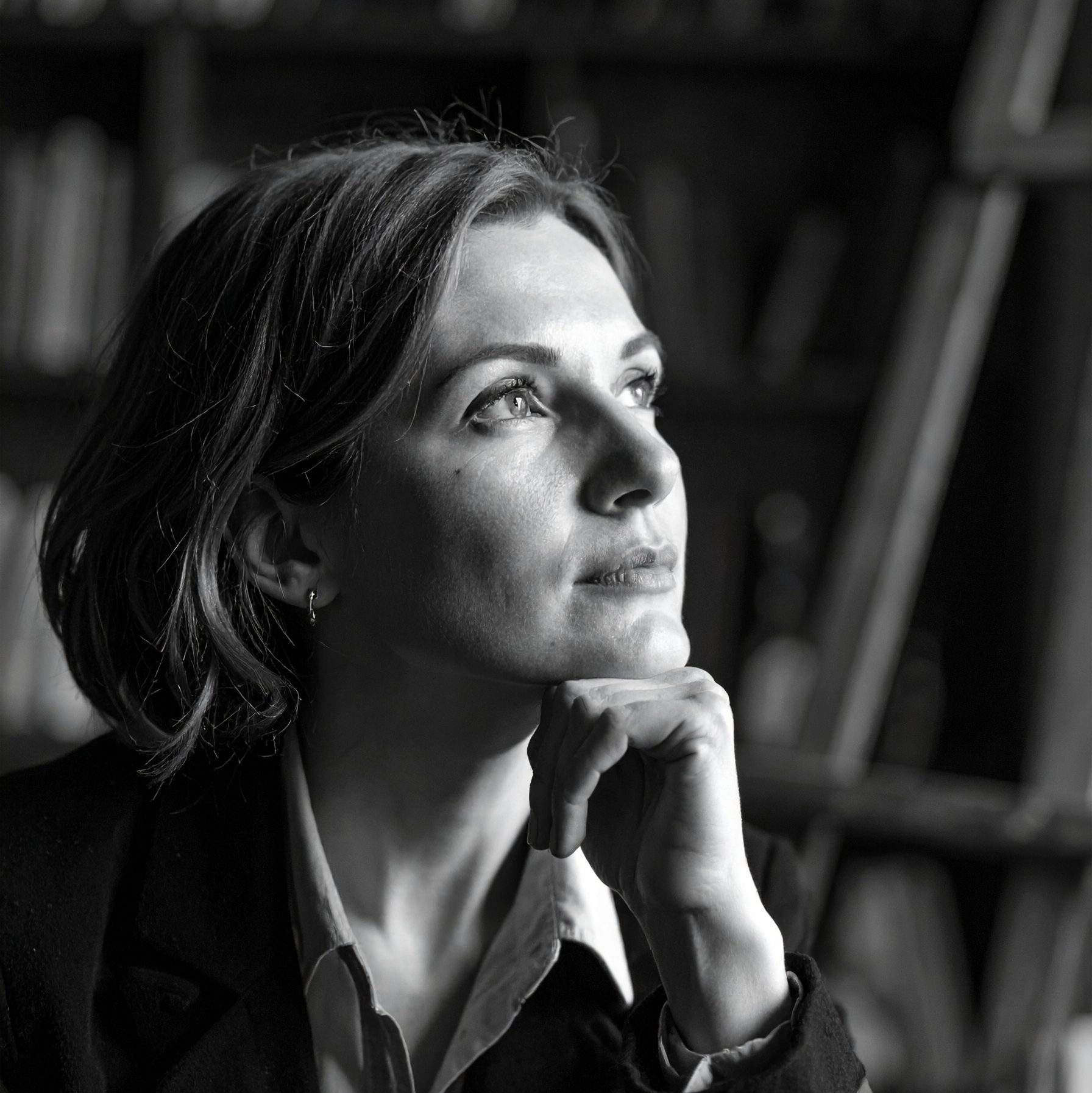
Yazıtlar serisi gerçekten bir şiir gibi akar gözümüzde – kaligrafi etlerinin, ritim ve enerjinin bütünleştiği estetik bir görünüş sunar. Mustafa Cevat Atalay, modern estetikle geleneksel sanatın derinliklerini ustalıkla harmanlayarak, kaligrafik unsurlarla soyut bir düzlemde “insan”, “kadın”, “kimlik” gibi kavramları sahneye taşıyor . Eserleri, ruhumuzu ısıtır; hayret uyandıran bir derinlik sunar. Kaligrafi ve soyut figürler bir arada ve Bu tabloların en dikkat çekici yönü, kaligrafik çizgilerin dinamizmiyle insan figürünün aynı karede iç içe geçmesidir. Özellikle kadın figürleri, ontik‑somatik olarak kaligrafik jestlerin merkezine yerleştirilerek, özgürleşme ve özneleşme arayışını yansıtıyor .Modern ile tarihselin sentezini yapan Atalay, yaratıcı sürecinde modernizmin dinamizmi ile tarihsel-motifik geleneksel formları bir araya getirir. Bu, çağdaş sanatın sınırsız özgürlük coğrafyasından beslenirken, kültürel kökleri de unutmayan bir dil yaratma çabasıdır .
Ruhsal ve duygusal katmanlar: Portre ve figür çalışmalarında, gözlerin çoklu ve asimetrik düzenlemeleri dikkat çeker. Bu, hem izleyiciyle doğrudan bir iletişim kurar hem de iç dünyadaki duyguları dile getirir – adeta ruhu yırtıp dışa taşıyor .
Düşünsel bağ ve izlenebilir akış ile Bu eserlere bakarken zihinsel bir iz sürme hissi doğar. Renklerin ve çizgilerin estetik örgüsü; düşüncelerimizi, duygularımızı ve tarihsel kodlarımızı takip etmemizi sağlar. Eserdeki her kaligrafik kıvrım, özgürleşen bir kimliğin ya da sorgulanan bir normun yankısıdır.
Mustafa Cevat Atalay’ın Yazıtlar serisi, bir kaligrafi şiiridir. Estetik görünüşüyle ruhumuzu sıcaklaştırır ve üzerinde düşündükçe yeni etkiler üretir. Her tablo, modernliğin ritmini, geleneğin tarihini şiirsel bir dille buluşturur. Bu eserler gerçekten de hayret uyandırıyor — hem zihinsel bir iz sürmeye, hem de duygusal bir yolculuğa davet ediyor.
Pandora Jovanovska Ilievska , Şair, 2016
2016, Pandora Jovanovska Ilievska, Poet
The series of inscriptions truly flows like a poem in our eyes – it offers an aesthetic appearance where calligraphy flesh, rhythm and energy are integrated. MustafaCevat Atalay skillfully blends the depths of modern aesthetics with traditional art, bringing concepts such as “human”, “woman” and “identity” to the stage on an abstract plane with calligraphic elements. His works warm our souls; they offer an astonishing depth. Calligraphy and abstract figures together and The most striking aspect of these paintings is the intertwining of the dynamism of calligraphic lines with the human figure in the same frame. Especially the female figures are placed ontic-somatic at the center of the calligraphic gestures, reflecting the search for liberation and subjectification. Synthesizing the modern and the historical, Atalay brings together the dynamism of modernism with historical-motif traditional forms in his creative process. This is an effort to create a language that feeds on the unlimited freedom geography of contemporary art while not forgetting its cultural roots.
Spiritual and emotional layers: In portrait and figure works, the multiple and asymmetrical arrangements of the eyes attract attention. This both establishes a direct communication with the viewer and expresses the emotions in the inner world – as if tearing the soul and carrying it outwards.
With an intellectual connection and a traceable flow, a mental tracking feeling arises when looking at these works. The aesthetic texture of colors and lines allows us to follow our thoughts, feelings and historical codes. Each calligraphic curve in the work is an echo of a liberated identity or a questioned norm.
MustafaCevatAtalay’s Inscriptions series is a calligraphy poem. It warms our soul with its aesthetic appearance and produces new effects as we think about it. Each painting brings together the rhythm of modernity and the history of tradition with a poetic language. These works are truly astonishing – they invite both a mental tracking and an emotional journey.
Pandora Jovanovska Ilievska , Poet, 2016
Yazıtlar İkon ve sanatçı Mustafa Cevat Atalay
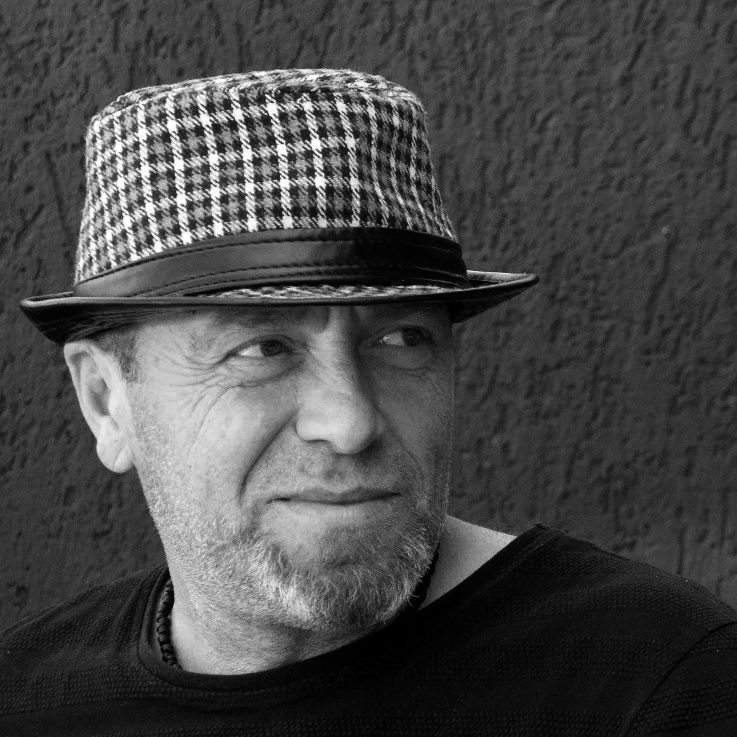
Sanatçıların eserleri hakkında bir şeyler söylemek için sanatçıyı tanımanın çok önemli olduğunu düşünüyorum. Mustafa Cevat Atalay birçok sanatsal etkilikte birlikte olduğum değerli bir akademisyen ve üretken bir sanatçı. Bu “üretken” ifadesini özellikle kullandım, çünkü günümüzde akademisyenlerin birçoğunun türlü sebepler yüzünden teorinin dışına pek çıkamadıklarını biliriz. Mustafa Cevat Atalay’ın bu anlamda teoride ve pratikte üretkenliğine ulusal ve uluslararası birçok sanatsal faaliyette şahit oldum. Birkaç yıl önce beraber gittiğimiz bir çalıştay kapsamında Romanya’da açmış olduğu kişisel sergide yer alan eserleri izleyicilerden oldukça olumlu tepkiler aldı. Bazen yaptıklarımıza yabancı bir gözle bakmanın ne derece önemli olduğuna tanıklık ettik birlikte.
Uzun zamandır keyifle takip ettiğim Atalay’ın çalışmalarının zaman içinde değişime uğrasa da güçlü bir görsel dil oluşturduklarını rahatlıkla söyleyebilirim. Sanatçının teknik ve üslüp bakımından bir anlatım dili oluşturması ve eserleri hakkındaki kritiklerdeki benzer ifadelerin çoğalması da bunu doğrular.
Sanata dair düşüncelerini ve çalıştaylardaki worksho uygulamalarında eser üretme sürecine yakından tanık olsam da her eserinin ayrı ayrı okunmaya ihtiyacı olduğunu belirtmem gerek. Okumak! Evet bu ifade daha doğru. Resimleri seyrettiğinizde bu hissi yaşıyorsunuz çünkü. Resimlerinde plastik anlatımının dışında/içinde bir saklı metin var gibi, sizi okumaya sürüklüyor. Bu, sanatçının izleyici ile iletişim kurma düşüncesi belki de. Belki izleyici ile eser arasında daha güçlü bir bağ kurmamızı istiyor. Her ikisine de sebep olan resimlerinde sıkça rastladığımız kaligrafik çizgiler… Daha çok sezgisel ve devinimi yüksek çizgilerin zaman zaman resimlerde bir forma dönüştüğünü görebiliriz. Daha çok hat formundaki bu çizgiler “söylenmiş-söylenmemiş” belli belirsiz sözler resimlerin tinsel anlatımına büyük bir güç veriyor. Bu ifadeler sanatçının resimlerini salt çizgisel ögelerden oluştuğunu söylemek yanlış olur. Resimlerinde çizgi dışında plastik unsurlar nokta-leke ve renk gayet bilinçli bir şekilde yer alır. Üstelikte bu renk ve lekeler birçok katmandan oluşur. Bu renk katmaları “impasto” etkisi bazen de biliçli bir “glaze” anlayışı ile optik bir derinlik yaratır. Bunun dışında hat forrmundaki çizgiler eklendiğinde çalışmalar sadece görsel değil bir metin gibi okuma hissine sürükler izleyiciyi.
Özellikle resimlerinde teknik olarak kullandığı katmanlar sanatçının kültür atmosferini oluşturan Anadolu coğrafyası gibidir. Birçok medeniyetin kültürel katmanları sanatçının beslendiği coğrafyanın yansıması gibi görülebilir. Lirik bir soyutlama dili geliştiren sanatçının resimlerindeki kaligrafik hatlar da bu anlatımı kuvvetlendiriyor. Bu yazı-harf en soyut resim olarak resmin plastik unsurları arasında yer alıyor. Resimlerinin içinde yer alan bu belli belirsiz çizgisel formlar bilinçli bir istif oluşturacak şekilde bazen bir tanıdık biçime bazen de bağımsız bir perspektif tercihi ile tek başına derinlik etkisi oluşturur. Resimlerin bütününde görülen senfonik dil sizi uzun bir yolculuğa sürükler.
Sanatçının kendini ifade etmek için kullandığı bu zengin görsel dil izleyiciye eserleri aracılığı ile şunu diyor. Beni anlamak görmenin ötesine sizi okumaya davet ediyorum!
2019 Orhan ZAFER
Inscrıptıons Icon and artıst Mustafa Cevat Atalay
2019, Artist Orhan Zafer
I think it is very important to know the artist in order to say something about the works of the artists. Mustafa Cevat Atalay is a valuable academician and productive artist with whom I have been in many artistic events. I have especially used this expression “productive” because we know that many of the academics today do not go out of theory for various reasons. In this sense, I witnessed the productivity of Mustafa Cevat Atalay in theory and practice in many national and international artistic activities. Within the scope of a workshop we went together a few years ago, his works in his personal exhibition in Romania received quite positive reactions from the audience. Sometimes we witnessed how important it is to look at what we do with a foreign eye.
I can easily say that Atalay’s works, which I have been following with pleasure for a long time, have created a strong visual language even though they have changed over time. The fact that the artist creates a language of expression in terms of technique and style and the increase of similar expressions in critics about his works confirms this.
Although I have been closely witnessed to his thoughts on art and the process of producing works in workshops in workshops, I have to state that each of his works needs to be read separately. Reading! Yes, this statement is more accurate. Because you experience this feeling when you watch the pictures. As if there is a hidden text in / out of the plastic narration in his paintings, he leads you to read. This is perhaps the artist’s thought of communicating with the audience. Maybe he wants us to establish a stronger link between the audience and the work. Calligraphic lines that we often encounter in his paintings that cause both of them … We can see that more intuitive and dynamic lines turn into a form from time to time. These lines, which are mostly in the form of lines, “vaguely” unspoken words give great power to the spiritual expression of the pictures. It would be wrong to say that these expressions consist only of linear elements of the artist’s paintings. Apart from the line, plastic elements are spot-stained and the color is very conscious. Moreover, these colors and spots consist of many layers. These color additions create an optical depth with an impasto effect and sometimes a conscious glaze. Apart from that, when the lines in the line form are added, the work drags the viewer to the reading feeling like a text, not just a visual.
Layers that he uses technically in his paintings are like the Anatolian geography that creates the cultural atmosphere of the artist. The cultural layers of many civilizations can be seen as a reflection of the geography where the artist is fed. The calligraphic lines in the paintings of the artist, who developed a lyrical abstraction language, also reinforces this expression. This font-letter is among the plastic elements of the painting as the most abstract painting. These indistinct linear forms in his paintings create a conscious sequence, sometimes creating a familiar form, sometimes an independent perspective, and the effect of depth alone. The symphonic language seen in the whole pictures takes you on a long journey.
This rich visual language used by the artist to express himself says to the viewer through his works. I invite you to read beyond understanding, seeing me!
2019 Orhan ZAFER
Yazıtlar Kadın
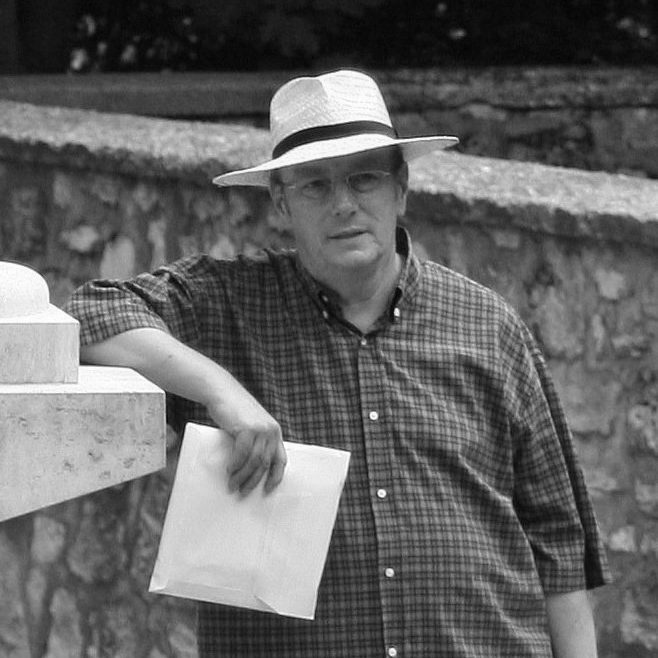
Mustafa Cevat Atalay’ın resimlerini anlamak için, Türkçe bilmek gerekmez. Onun resimleri Avrupa çapında tanınıyor. Yine de kendine özgü eserleri olduğunu belirtelim, özellikle tür ve renk bakımından. Ustaca eserler ki biz ona ustaca diyoruz, her ne kadar eserleri çoğu kimseye karmaşık gelse bile hayranlık verici türden eserlerdir. Öyle ki bazı eserlerini tarif etmeye çalışmakta güçlük çekersiniz, renkler ve form bakımından kesin ve net renkler karmaşası aynı eserde bir birini tamamlar biçimdedir. Ziyaretçilere ilk anda eserler belirsizlik karmaşası gibi gelebilir ama iyi tanıyınca ve iyi gözlemleyince resimlerinin özelliğini daha iyi anlarsınız.
Üç resimde Mona Lisa portresi tarz yansıması görürüz ressamın yarattığı eserlerde bu nedenle
sergiyi gezenlere , eserlere önce bilinçli ve ruh derinliği ile bakmalarını tavsiye ederiz.
Atalay’ın resimlerinde bizler için bazı sırlar gizlenmişti . Eğer seversek bunu keşfederiz. Birer
birer motiflerin değiştiğini görürüz, Ressamın değişken ruh halini içeren.
Acaba bütün bunları anlamayı ne kadar başarabiliriz? Acaba ressam bize neyi göstermeye çalışıyor?
eserlerinde, bize neyi anlatnaya çalışıyor? bunu ancak bütün benliğimizle eserlerine bakmayı başara-
bilirsek anlarız.
Atalay’ın sergisinin adını, ”Yazıtlar – Kadınlar” olması da tesadüf değil. Ne kadar renk ne kadar
çok biçim ! bütün bunlar bu serginin zenginliğini göstermekte ki, biz insanlar, Kadınlar ve erkekler ne
kadar zenginiz bunu görürüz.
Bu resimleri sadece estetik anlayışımızla değerlendir mememiz gerekir, bu gün yaşadığımız dünyada
, insanlar arasındaki çekişmelerde, Erkeklerin kadınlara farklı bakışında, etrafımı a bir bakalım,
Erkeklerin Kadına bakış açısı ne, aynı iş için erkeğin kadına oranla tercih edilme farklılığına. yönetici
ler arasında kadınların oranına bir bakalım, Daha devam edebilirim. Öyle ülkeler sayabilirim ki söz
ettiği farklılıkları hala göle görülür bir şekilde devam ettiriyorlar ve bu da bizim açımızdan kabul
edilemez bir durum arz etmektedir…
Dr. Cseby Geza, Eleştirmen ve yazar. 7.27. 2014 Hungary
Inscrıptıons Women
Dr. Cseby Geza, Critic and writer 2014 Hungary
It is not necessary to know Turkish to understand Mustafa Cevat Atalay’s paintings. His paintings are known throughout Europe. Nevertheless, it should be noted that he has his own works, especially in terms of type and color. Masterful works that we call it masterly, even though most of his works are complex to anyone, they are admirable. So much so that you have difficulty trying to describe some of his works, the exact and clear color complexity in terms of colors and form complements each other in the same work. At first glance, the works may seem like uncertainty confusion, but when you get to know them well and observe them well, you will understand the features of your paintings better.
In three paintings, we see the style reflection of the portrait of Mona Lisa for this reason.
those who visit the exhibition, we recommend that they first look at the works consciously and with depth of soul.
Some secrets were hidden for us in Atalay’s paintings. If we love, we’ll discover it. Birr
we see that the motifs are changing, containing the changing mood of the painter.
How far can we manage to understand all this? What is the painter trying to show us?
What does he try to tell us in his works? we can only do this with all of our self.
we know if we know.
It is not a coincidence that Atalay’s name is “Inscriptions – Women”. How much color, how much
very format! All this shows the richness of this exhibition, what we humans, women and men
you are so rich we see that.
We should not only evaluate these pictures with our aesthetic understanding, in the world we live in today.
Let’s take a look around me in the conflicts between people, when men look differently at women,
What is the point of view of men towards women, the difference in men being preferred over women for the same job. manager
Let’s take a look at the proportion of women among, I can continue. I can count such countries that I promise
they still maintain their differences visibly into the lake, which is acceptable for us.
it is an unbearable situation…
Dr. Cseby Geza, Critic and writer 2014 Hungary
Mustafa Cevat, çağdaş Türk sanatında metafizik, estetik ve gizemli bir ressam olarak özgün bir yer edinmiştir. Sanatında, Doğu’nun köklü kaligrafi geleneğinin zarif çizgilerini, Batı’nın modern soyut sanatının cesur ve yenilikçi ifadeleriyle ustalıkla birleştirir. Dinamik kompozisyonlar ve ustalıkla işlenmiş renk geçişleri, izleyiciyi görsel bir şölene davet ederken, kadın figürleri güçlü sembolizmle yüklüdür ve kaligrafik formlar gizemli bir aura yaratarak eserin derinliklerindeki anlamları keşfetmeye çağırır. Doğu ve Batı sanat anlayışlarını harmanlayarak, estetik hazzın ötesinde ruhu derinden etkileyen bir sanat dünyası sunar. Cevat’ın eserleri, izleyiciyi metafizik bir yolculuğa çıkarır; dinamik formlar ve renkler, yalnızca görsel bir deneyim değil, aynı zamanda felsefi bir keşif vaat eder. Sembolizm ve gizem, izleyiciyi eserin içine çekerek aktif bir anlam arayışına yönlendirir. Böylece, Cevat’ın sanatı, geleneksel ile moderni birleştiren yenilikçi bir estetik dil sunarken, sanatın dönüştürücü gücünü ve evrensel hitap yeteneğini sergiler. Bu sentez, zamansal ve kültürel sınırları aşarak, izleyiciyi hem estetik hem de metafizik bir deneyimle buluşturur.
Mustafa Cevat has established a unique place in contemporary Turkish art as a metaphysical, aesthetic, and mysterious painter. In his work, he masterfully blends the elegant lines of Eastern calligraphy with the bold expressions of Western modern abstract art, transporting viewers to another dimension. His dynamic compositions and expertly crafted color transitions offer a visual journey that promises a metaphysical experience. The female figures are laden with powerful symbolism, while the calligraphic forms create a mysterious aura, inviting viewers to uncover the secrets hidden within the depths of his paintings. By merging the East’s rich artistic heritage with the West’s innovative spirit, Mustafa Cevat presents not only aesthetic pleasure but also a mysterious artistic world that deeply resonates with the soul.
Mustafa Cevat: Sınırları Aşan Bir Sanatçı
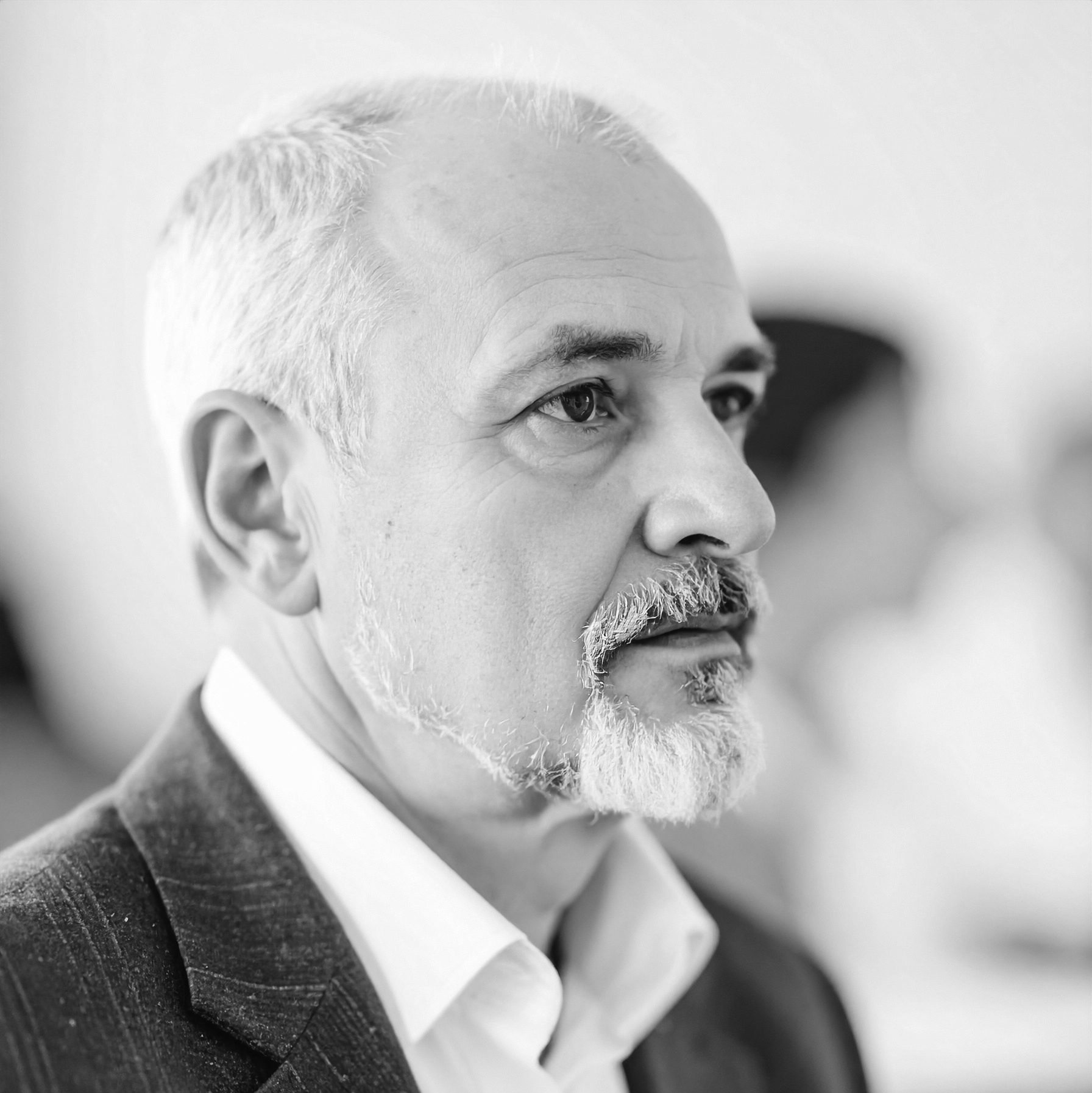
Mustafa Cevat: An ArtIst Who Transcends Borders
2024 Artist Lucian Moraru
Mustafa Cevat, Türk çağdaş sanat sahnesinde metafizik, estetik ve gizem kavramlarını kendine has üslubuyla harmanlayan, eşsiz bir ressam olarak öne çıkıyor. Sanatında, Doğu’nun kadim kaligrafi geleneğinin zarafeti, Batı’nın cesur ve yenilikçi soyut sanatının ifadeleriyle ustaca iç içe geçiyor. Bu birliktelik, izleyiciyi adeta görsel bir şölene davet ederken, dinamik kompozisyonlar ve ustalıkla işlenmiş renk geçişleri ruhu derinden etkileyen bir atmosfer yaratıyor.Cevat’ın eserlerindeki kadın figürleri güçlü bir sembolizmle yüklü, kaligrafik formlar ise gizemli bir aura oluşturarak izleyiciyi eserin derinliklerindeki anlamları keşfetmeye çağırıyor. Doğu ve Batı sanat felsefelerini ustaca birleştiren Cevat, sadece görsel bir zevk sunmanın ötesine geçerek ruhsal bir derinlik vadediyor.Sanatçının eserleri, izleyiciyi adeta metafizik bir yolculuğa çıkarıyor. Dinamik formlar ve renkler, sadece gözlere hitap etmekle kalmıyor, aynı zamanda felsefi bir keşfe de kapı aralıyor. Sembolizm ve gizem, izleyiciyi eserin içine çekerek aktif bir anlam arayışına yönlendiriyor. Böylece Cevat’ın sanatı, gelenekseli modernle buluşturan yenilikçi bir estetik dil sunarken, sanatın dönüştürücü gücünü ve evrensel çekiciliğini gözler önüne seriyor. Bu sentez, zamansal ve kültürel sınırları aşarak, izleyiciyi hem estetik hem de metafizik bir deneyimle buluşturuyor.Mustafa Cevat, çağdaş Türk resminin derinliklerinde, metafiziğin esrarını estetiğin zarafetiyle harmanlayan eşsiz bir virtüöz olarak karşımıza çıkar. Sanatının her bir fırça darbesi, Doğu’nun kadim kaligrafi geleneğinin ruhani akışkanlığını, Batı’nın modern soyutlamanın cüretkar ifadesiyle dantel gibi işler. Bu ustalıklı sentez, izleyiciyi sadece görsel bir ziyafete değil, aynı zamanda ruhun en kuytu köşelerine uzanan bir duygusal ve entelektüel yolculuğa davet eder.
Cevat’ın tuallerindeki dinamik kompozisyonlar ve titizlikle kurgulanmış renk geçişleri, adeta bir ışık ve gölge oyunuyla dans ederken, her bir renk tonu kendi içsel yankısını bulur. Eserlerindeki kadın figürleri, yüklendikleri yoğun sembolizmle hem zamansızlığın hem de evrenselliğin izlerini taşır. Kaligrafik formların yarattığı gizemli aura, izleyiciyi eserin katmanlı derinliklerinde gizlenmiş anlamları keşfetmeye iter; her bir çizgi, fısıldayan bir sırrı taşır gibidir.
Doğu ve Batı sanat felsefelerinin bu olağanüstü buluşması, sadece görsel bir haz sunmakla kalmaz, aynı zamanda ruhu derinden etkileyen, varoluşsal bir sorgulamaya kapı aralayan bir sanat evreni yaratır. Cevat’ın eserleri, izleyiciyi kendi içsel dünyasında metafizik bir yolculuğa çıkarırken, her bir dinamik form ve renk, salt bir gözlemden öte, felsefi bir arayışın ta kendisidir.
Sembolizm ve gizem, eserin çekim merkezini oluşturur; izleyiciyi pasif bir gözlemciden çıkarıp, aktif bir anlam ve yorum arayışına sürükler. Bu bağlamda, Cevat’ın sanatı, gelenekseli modernle, somutu soyutla birleştiren yenilikçi bir estetik dil sunarken, sanatın dönüştürücü gücünü ve evrensel bir köprü kurma yeteneğini gözler önüne serer. Bu eşsiz sentez, zamanın ve kültürlerin ötesine geçerek, izleyiciyi hem estetik bir coşkuyla hem de metafizik bir derinlikle buluşturur.
Mustafa Cevat stands out as a unique painter in the Turkish contemporary art scene, blending the concepts of metaphysics, aesthetics and mystery with his unique style. In his art, the elegance of the ancient calligraphy tradition of the East is skillfully intertwined with the expressions of the bold and innovative abstract art of the West. This union invites the viewer to a visual feast, while the dynamic compositions and skillfully crafted color transitions create an atmosphere that deeply affects the soul. The female figures in Cevat’s works are loaded with strong symbolism, while the calligraphic forms create a mysterious aura, inviting the viewer to discover the meanings deep within the work. Masterfully combining Eastern and Western art philosophies, Cevat goes beyond providing mere visual pleasure and promises spiritual depth. The artist’s works take the viewer on a metaphysical journey. Dynamic forms and colors not only appeal to the eyes, but also open the door to a philosophical discovery. Symbolism and mystery draw the viewer into the work and lead them to an active search for meaning. Thus, Cevat’s art presents an innovative aesthetic language that brings together the traditional and the modern, while revealing the transformative power and universal appeal of art. This synthesis transcends temporal and cultural boundaries, bringing the viewer together with an aesthetic and metaphysical experience.Mustafa Cevat emerges as a unique virtuoso who blends the mystery of metaphysics with the elegance of aesthetics in the depths of contemporary Turkish painting. Each brushstroke of his art laces the spiritual fluidity of the ancient calligraphy tradition of the East with the daring expression of modern abstraction of the West. This masterful synthesis invites the viewer not only to a visual feast, but also to an emotional and intellectual journey that reaches to the most hidden corners of the soul.
The dynamic compositions and meticulously constructed color transitions on Cevat’s canvases dance with a play of light and shadow, while each color tone finds its own inner echo. The female figures in his works carry traces of both timelessness and universality with the intense symbolism they carry. The mysterious aura created by the calligraphic forms pushes the viewer to discover the meanings hidden in the layered depths of the work; each line seems to carry a whispering secret.
This extraordinary meeting of Eastern and Western art philosophies not only offers visual pleasure, but also creates an artistic universe that deeply affects the soul and opens the door to an existential questioning. While Cevat’s works take the viewer on a metaphysical journey into his inner world, each dynamic form and color is more than a mere observation, it is a philosophical quest itself.
Symbolism and mystery form the center of attraction of the work; they take the viewer from a passive observer to an active search for meaning and interpretation. In this context, Cevat’s art presents an innovative aesthetic language that combines the traditional with the modern, the concrete with the abstract, while revealing the transformative power of art and its ability to build a universal bridge. This unique synthesis transcends time and cultures, bringing the viewer together with both aesthetic enthusiasm and metaphysical depth.
Mustafa Cevat Atalay’ın Resimlerinde Renk, Doku, Figür ve Estetik
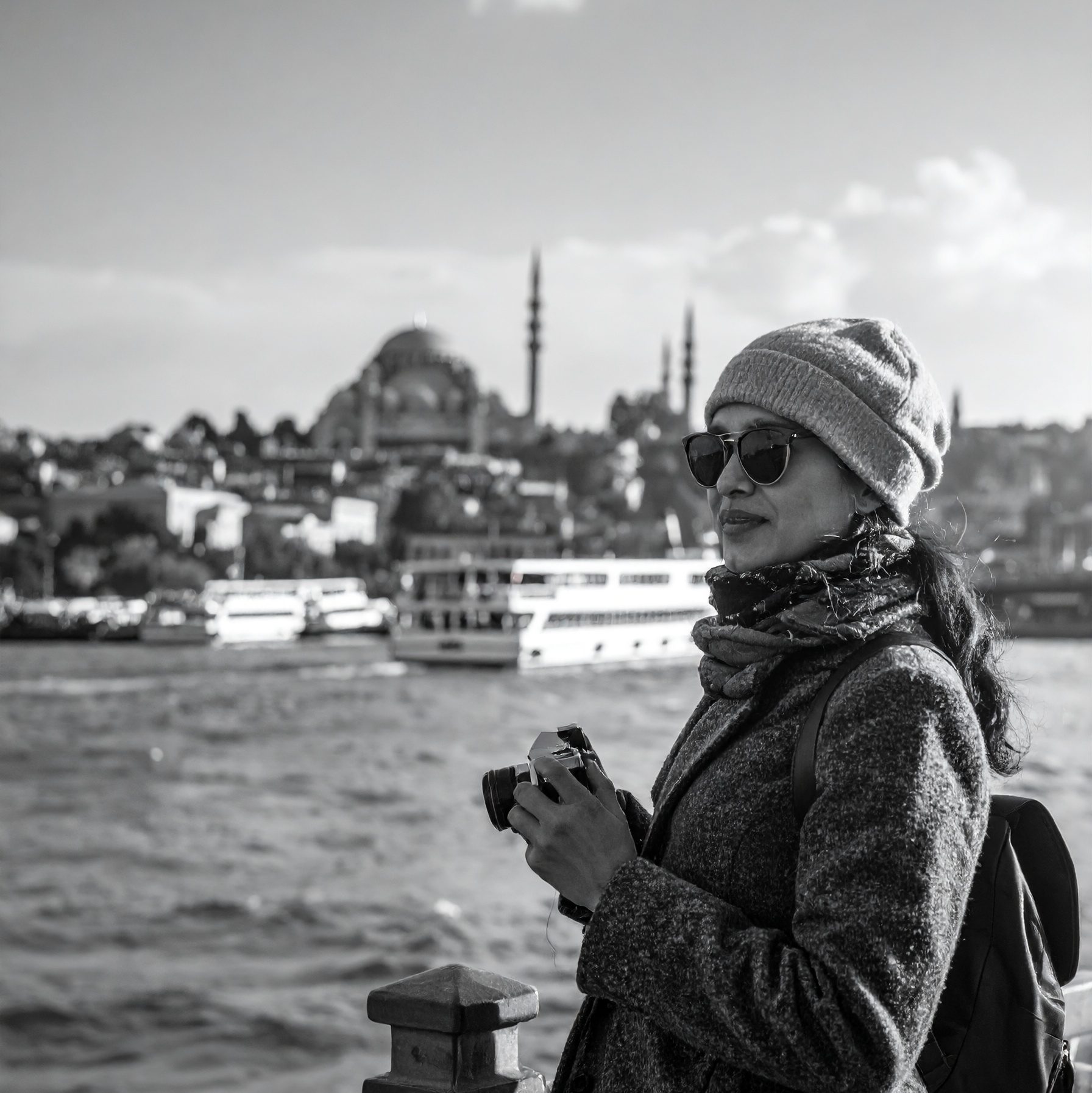
Prof. Dr. Mustafa Cevat Atalay’ın tablolarında renk dinamik bir anlatım unsuru olarak öne çıkar. Geleneksel Türk estetiği ile çağdaş soyut dışavurumculuğu bir araya getiren sanatçının Yazıtlar serisi, renklerin “lekesel dönüşümleriyle insanı farklı bir seyahate çıkaran” bir kompozisyona sahiptir. Atalay’ın paleti genellikle koyu tonlardan sıcak renklere doğru kayar; derin fonlarda dingin bir zemine yerleştirdiği geniş renk lekeleri, öne kullandığı koyu ve sıcak renklerle kontrast oluşturur ve resimlere büyük bir derinlik katar. Kompozisyonlarında sıcak ve soğuk renk dengesi gözetilir, bu da izleyicide hem dinlenme hem de dinamizm duygusu yaratır: “sıcak ve soğuk renk dengesini koruyan” Atalay, arka planda yarattığı dinginlikle ön plandaki renk lekeleri ve dokulara yer açarak resimlerin derinliğini artırır. Öte yandan sanatçının eserlerinde ritim, hareket ve enerji unsurları dikkat çekicidir; ritmik fırça darbeleriyle kompozisyona yayılan kaligrafik çizgiler, renk paletinin akışında canlılık ve hareketlilik sağlar. Bu kullanım, izleyicide yoğun duygusal etki bırakan soyut bir atmosfer oluşturur. Özetle Atalay, renk paletinde koyu-sıcak geçişleri, lekesel tonlamaları ve arka plan-föndeki sakin alanları ustalıkla dengeler; bu öğeler eserlerine tarihsel ve duygusal bir derinlik kazandırır.
Palet ve ton geçişleri, Atalay genellikle, bordo ve siyah, lacivert gibi doygun tonları öne çıkarır. Bu tonları, altın sarısı veya kahverengimsi sıcaklıkta lekelerle yan yana getirerek resimlerinde çarpıcı kontrastlar oluşturur. Örneğin Yazıtlar serisindeki büyük yüzeylerde sakin renkler arka planda yer alırken, öne yerleştirdiği koyu-vurgu lekeleri hareket katar.
Duygusal etki: Sıcak tonlar enerji ve hareket hissi uyandırırken, koyu fonlar melankolik veya mistik bir hava yaratır. Bu sayede Atalay’ın tabloları, izleyiciye hem metafizik bir dinginlik hem de yoğun bir duygusallık sunar. Eleştirmenlerin belirttiği gibi, sanatçı renkleri bir “seyahat” aracı olarak kullanır; renk lekelerinin geçişleri insanı eski uygarlıkların kodlarına doğru adeta yönlendirir.
Doku ve Fırça İşçiliği
Atalay’ın resimlerinde doku, kasıtlı ve kontrollü fırça darbeleriyle işlenmiş bir yüzey hissi verir. Sanatçı, eserlerinde tesadüfi dokulara yer vermez; aksine ayrıntıcı, planlı bir yaklaşımla her noktanın kompozisyonda belirli bir rolü olmasını sağlar. Özellikle şekil ve form aktarımında aldığı yol, fırça darbelerinde belirginleşir: Atalay, geleneksel motifleri doğrudan kopyalamak yerine “kaligrafik sert konturlar” şeklinde geniş fırça darbeleriyle zemine yayarak kendi form dilini oluşturmaktadır. Bu yönelim, resimlerine hem klasik hat sanatını anımsatan kıvrımlı çizgiler kazandırır hem de dokusal olarak zenginlik yaratır.
Resimdeki katmanlama ve yüzey derinliği de önemlidir. Atalay, renk lekelerini arka planda sakin yüzeylerle dengeleyerek derin bir pencere etkisi oluşturur. Ön plandaki yoğun renk geçişleri ve fırça izleri ile arka plandaki durgun dokular arasındaki etkileşim, eserlere üç boyutlu bir etki verir. Eleştirmenlere göre Atalay, formu bir bilinçaltı faaliyet olarak kavradığı için bilincin kontrolü dışında “rastlantısal” metotlar kullanmaz; bu tutarlı doku anlayışı eserlerinde düzenli bir stilistik iz bırakır. Sonuçta resimlerinin yüzeyi; geniş boya lekeleri, ortaya çıkmış kalın boyalı alanlar ve net fırça çizgilerinin oluşturduğu zengin bir dokusallık sunar.
Fırça darbeleri, Atalay’ın kalın, enerjik fırça darbeleri kaligrafik çizgilere dönüşür; bu darbeler genellikle yumuşakça geçişen lekeler arasında kontrast yaratır. Sanatçı kaligrafik unsurları alışılmışın dışına taşıyarak soyut bir kompozisyona dönüştürür.
- Yüzey derinliği: Kompozisyonun orta kısmı yoğun boya hareketleriyle dinamikleşirken, çevresel alanlarda görece sakin yüzeyler bırakılır. Böylece derinlik algısı güçlendirilir; koyu renkli arka plan, ön planın canlı renk ve doku kurgusuyla etkileşimde olup resme mekan hissi katar.
Figüratif Anlatım ve Temsil Biçimleri
Atalay’ın resimlerinde figür kavramı sıradan bir betimlemeden ziyade sembolik ve ontolojik bir anlam taşır. Sanatçı, özellikle kadının varoluşsal mevcudiyetini merkeze aldığı serilerinde, figürü “salt bir biçim değil, varoluşun tezahürü” olarak yorumlar. Yani Atalay’a göre figür, sadece insan betimlemesi değil; kimlik, özgürlük ve öznellik gibi derin temaların tezahürüdür. Bunun izleri resimlerinde soyut ve stilize siluetler halinde görülür. Atalay’ın sanatında kadın figürü sıkça öne çıkan temalardan biridir ve bu figürler genellikle katmanlı renk lekeleri arasında beliren hafif hayaletimsi biçimler olarak ortaya çıkar.
Tablolarında zaman zaman belirgin portreler ya da insan formu hatları çözülmüş halde görünür. Örneğin Yazıtlar serisinde duvarda kazılı yazıtları çağrıştıran formlar içinde, izleyenin hayal gücünü tetikleyen siluetler belirir. Eleştirmenler bu durumu, Atalay’ın soyut “hareketli leke”lerini içinde nadiren açığa çıkan figürlü detaylarla dengelemesi olarak değerlendirir. Genel olarak Atalay’ın figüratif anlatımı tamamen gerçekçi değildir; resim yüzeyinde figürler ancak renk geçişleri veya belirginleşen çizgiler aracılığıyla ima edilir. Bu stilizasyon, figürleri hem gizemli kılar hem de eserdeki anlamsal katmanları kuvvetlendirir. İzleyici, soyut kompozisyonun arasında beliren kadim bir simgeyi ya da yüzü algıladıkça eserin içerik dünyasına dair çıkarımlar yapar.
- Figürlerin kompozisyondaki rolü: Figürler genellikle kompozisyonun merkezinde yer almaz, daha çok arka plandan çıkmaya hazırlanan imalar şeklinde göze çarpar. Bu sayede figür betimleme yerine, eserin söylemine dair bir ipucu işlevi görür. Araştırmacılara göre Atalay, resimlerinde bazen renkle yüzey arasında beliren insani formlar veya işaretlerle “bir şifre” sunar; izleyicinin soyut soyutlamadan maddesel nesneler arama eğilimini tetikler.
- Temsilde stilizasyon: Atalay’ın figürleri doğrudan natüralist olmayan bir dille resmedilir. Dağınık renk lekeleri, katmanlı dokular ve kaligrafik çizgiler figür kavramını hipnotik ve sembolik bir düzleme taşır. Bu, realizmden ziyade bir dışavurumcu soyutlamadır; dolaylı betimleme, izleyicide hem arka planda yatan mitolojik anlatıyı çağrıştırır hem de sanatçının kişisel sembolik dilini hissettirir. Biçim ve Bağlam İlişkisi
Atalay’ın eserleri biçimsel açıdan geleneksel öğelerle çağdaş soyutu kaynaştırır ve böylece tarihsel/kültürel bağlamı doğrudan yansıtır. Modernite ile tarih arasındaki gerilimi esasında bir sentezleme çabası olarak kullanan sanatçı, Yazıtlar serisinde : Resimde kazılı kelime bütünlüğünü yeniden kurgulayan kompozisyonlar, Orta Asya ve Anadolu’nun eski yazıtlarına, kabartmalarına gönderme yapar; sanatçı “gelenekle hesaplaşma yerine, modernle tarihseli sentezleme” yolunu seçer. Buna göre Atalay’ın biçimsel tercihi, Proto Türklerden, Anadolu uygarlıklarına Selçuklulara Osmanlı’dan uzanan kültürlerin kodlarını akılcı bir soyutlama süreciyle güncel kılmaktır.
Sanat tarihsel bağlamda Atalay’ın üslubu, Soyut Dışavurumculuk ve Avangard akımlarla ilişkilendirilebilir. Atalay, Doğu ve Batılı bir estetiğe bağlı modernizmden ödünç aldığı soyut form dilini, Anadolu’nun motif diliyle birleştirir. Sanatta geleneksellik ve modernlik arasındaki bu uyum, Atalay’ı çağdaş Türk sanatında özgün kılar. Geleneksel motifleri doğrudan kompozisyonun merkezine taşıyan bir sanatçının aksine, Atalay bu formları materyal içinde örtük olarak kullanır; kaligrafik konturlar biçiminde yaydığı çizgilerle, geçmişin kültürel izlerini çağdaş plastik dile aktarır.
- Tarihsel/kültürel göndermeler: Atalay’ın tablolarında Anadolu’ya ait simgeler ve yazıtlar sıkça ima edilir. 2022’de Kayseri’de açılan bir sergide sanatçı, eserinin “Anadolu uygarlıklarının çok katmanlı yapısına” ve “kültürel formlara gönderme yapan bir anlatım” olduğuna dikkat çekti. Bu yaklaşım, resimlerin biçemini aşan bir anlam halesi oluşturur.
- Biçimsel sentez: Eleştirmenlere göre Atalay, Osmanlı hattatı üslubuna benzer kaligrafik dinamikleri, sürrealizmi ve soyut dışavurumcu resmin geniş renk lekelerini bir araya getirir. Geleneksel formları doğrudan kopyalamak yerine, onları kaligrafik fırça hareketleriyle kompozisyonun bir parçası haline getirir. Böylece resim dilinde eski yazıtların, taş kabartmaların ve el sanatlarının motifleri modern bir soyut sanat diline evrilir.
Estetik Temsiller: Simgesellik, Stilizasyon, Soyutlama
Atalay’ın sanatı, simgesel anlatım ve soyutlamanın bir arada işlendiği bir estetik sahnedir. Eserlerinde sıkça karşımıza çıkan semboller, Uzakdoğu hat sanatından Anadolu tapınaklarındaki yazı ve işaretlere kadar çeşitlilik gösterir; ancak bunlar gerçekçi form yerine soyut bir stil ile resimlenir. Örneğin Yazıtlar serisinde tuvalde yeniden inşa edilen “kelime bütünlüğü” kompozisyonu, aslında eski yazıtların modern anlamda yorumu gibidir. Sanatçı, kelimelerin bütünleşmiş görüntüsünü çeşitli renkli lekeler ve çizgisel imalar halinde yeniden kurgular; bu, hem yazının gizemiyle oynayan bir simgesel dil hem de görsel bir soyutlamadır.
Bir başka boyutu, Atalay’ın stilizasyon yaklaşımıdır. Figürler ve ögeler hiçbir zaman doğal boyut veya perspektifle betimlenmez; bunun yerine asimetrik formlar halinde düzenlenir. Eserlerinde görülen geniş renk lekeleri ve çizgisel formlar, Figüratif motifleri neredeyse tamamiyle çözerek soyut geometrik şekillere dönüştürür. Bu durum, sanatçının üst metinde de vurgulandığı gibi “asimetri yoluyla derin düşünceye ve iç gözleme davet eden” bir dünya arayışının sonucudur. Atalay’ın resimleri gerçekçilikten çok ekspresyonizme yakındır; bilinçli soyutlama ile bilinçaltından gelen imgelerin birleşimi, her bir yapıtı derin anlamlar taşıyan birer “hareketli soyut” kompozisyon haline getirir. Bu yönüyle Atalay, modern resmin soyut evrimine katılan isimlerden biri olarak kabul edilir.
- Simgesellik: Eserlerine tarihsel-kültürel kodları yükleyen Atalay, figür veya motif yerine semantik katmanlar sunar. Örneğin kullandığı “kaligrafik jestler” ve geometrik izler, birer yazıt veya arkeolojik işaret gibi okunur. Böylece tablo yüzeyi, hem görsel bir formu hem de öyküsel bir arka planı simgeler.
- Realizm – Soyutlama: Atalay’ın resimleri büyük oranda soyut bir anlayışa dayanır. Çoğu figür ve obje, ancak ışık-gölge veya form çağrışımı seviyesinde ima edilir. Bu strateji, izleyiciyi şekillerdeki anlamı keşfe davet eder. Eserlerindeki öğeler tam soyutlanmış olsa da bazen portre imaları ve yazı kalıntıları gibi tanıdık biçimlerin ortaya çıkması, gerçekçilik ile soyut arasında bir köprü oluşturur. Dolayısıyla Atalay’ın üslubu, yer yer soyut sanatı gerçeküstü sembollere yakınlaştıran özgün bir stilizasyon örneğidir.
Üslup ve Dönemsel Bağlam
Mustafa Cevat Atalay, Türk resim sanatında hem modernist hem de yerel bir çizgiyi birleştiren özgün bir konumda durur. 1990’lardan itibaren soyut resimle ilgilenen sanatçı, resminde Çağdaş sanat akımlarının özgürlüğünü Türk kültür kodlarıyla harmanlar. Örneğin New York Ekolleri’ne (Soyut Dışavurumculuk) yakın bir dinamizm taşımasına karşın, eserlerinde mutlaka bir tarihsel derinlik arar. Eleştirmenler, Atalay’ın Batı resim geleneğindeki serbest formları Anadolu’nun kadim motifleriyle yorumlamasını “modernizmin geçmişiyle hesaplaşmayan bir sentezi” olarak niteler. Bu açıdan Atalay’ın resimleri postmodern bir refleksin ürünüdür: Evrensel soyutluğun diliyle yerel tarih anlatısını bir araya getirir.
Sanatsal açıdan Atalay, genel Türk resminde yaygın olan saf dekoratif gerçekçilik çizgisinden farklıdır. Geleneksel formları doğrudan kullanmak yerine, onları batılı tekniklerle işleyerek özgün bir estetik oluşturur. Bu yaklaşım, Atalay’ı hem Türk minyatür ve hat geleneğinden, hem de 20. yüzyıl Avangard’ından beslenen seçkin bir sanatçı olarak konumlandırır. Atalay’ın çağdaş Türk sanatındaki özgün yönü, kuşkusuz *“sanatın geleneksel sınırlarını aşan derin düşünce”iyi resim diline yansıtabilmesidir. Kullandığı asimetrik düzen, mistik çağrışımlar ve kültürel semboller, eserlerine hem güncellik hem de zamansızlık katar. Böylece Atalay’ın tabloları, içinde yaşadığı dönemin ötesinde evrensel bir sanatsal dilin örnekleri olarak değerlendirilir.
Color, Texture, FIgure and Aesthetıcs ın Mustafa Cevat Atalay’s Paıntıngs
2025 Irmak Elvanova, art writer
Color stands out as a dynamic narrative element in Prof. Dr. Mustafa Cevat Atalay’s paintings. Bringing together traditional Turkish aesthetics and contemporary abstract expressionism, the artist’s Inscriptions series has a composition that “takes people on a different journey with the spotty transformations” of colors. Atalay’s palette generally shifts from dark tones to warm colors; the large color spots he places on a calm background in deep backgrounds create contrast with the dark and warm colors he uses in the foreground and add great depth to the paintings. A balance of warm and cold colors is observed in his compositions, which creates a sense of both rest and dynamism in the viewer: Atalay, who “maintains the balance of warm and cold colors”, increases the depth of the paintings by making room for the color spots and textures in the foreground with the calmness he creates in the background. On the other hand, the rhythm, movement and energy elements in the artist’s works are striking; The calligraphic lines spreading into the composition with rhythmic brush strokes provide liveliness and movement in the flow of the color palette. This use creates an abstract atmosphere that leaves an intense emotional impact on the viewer. In short, Atalay skillfully balances dark-warm transitions, spot tones and calm areas in the background-foil in the color palette; these elements give his works a historical and emotional depth. Palette and tone transitions, Atalay generally emphasizes saturated tones such as burgundy and black, navy blue. He creates striking contrasts in his paintings by juxtaposing these tones with golden yellow or brownish warm spots. For example, in the large surfaces in the Inscriptions series, calm colors are in the background, while the dark-accented spots he places in the foreground add movement. Emotional impact: While warm tones evoke a sense of energy and movement, dark backgrounds create a melancholic or mystical atmosphere. In this way, Atalay’s paintings offer the viewer both a metaphysical serenity and intense emotionality. As critics have noted, the artist uses colors as a “travel” tool; the transitions of color spots almost guide one towards the codes of ancient civilizations. Texture and Brushwork In Atalay’s paintings, texture gives the feeling of a surface processed with deliberate and controlled brush strokes. The artist does not include random textures in his works; on the contrary, he ensures that each point has a specific role in the composition with a detailed, planned approach. The path he takes in transferring shape and form becomes particularly evident in his brush strokes: Instead of directly copying traditional motifs, Atalay creates his own form language by spreading them on the ground with wide brush strokes in the form of “calligraphic hard contours.” This orientation both gives his paintings curved lines reminiscent of classical calligraphy and creates textural richness. Layering and surface depth in the painting are also important. Atalay creates a deep window effect by balancing the color spots with calm surfaces in the background. The interaction between the intense color transitions and brush marks in the foreground and the calm textures in the background gives the works a three-dimensional effect. According to critics, Atalay does not use “random” methods outside the control of consciousness because he perceives form as a subconscious activity; this consistent understanding of texture leaves a regular stylistic mark in his works. As a result, the surface of his paintings offers a rich texturality formed by large paint stains, thickly painted areas that emerge, and clear brush lines. Brush strokes, Atalay’s thick, energetic brush strokes turn into calligraphic lines; these strokes often create contrast between softly transitioning stains. The artist transforms calligraphic elements into an abstract composition by taking them out of the ordinary. Surface depth: While the middle part of the composition becomes dynamic with intense paint movements, relatively calm surfaces are left in the peripheral areas. In this way, the perception of depth is strengthened; the dark background interacts with the vivid color and texture fiction of the foreground and adds a sense of space to the painting. Figurative Expression and Forms of Representation In Atalay’s paintings, the concept of figure carries a symbolic and ontological meaning rather than an ordinary description. The artist, especially in his series where the existential presence of women is at the center, interprets the figure as “not just a form, but a manifestation of existence.” In other words, according to Atalay, the figure is not just a depiction of a human being; it is a manifestation of deep themes such as identity, freedom and subjectivity. Traces of this can be seen in his paintings as abstract and stylized silhouettes. The female figure is one of the themes that frequently comes to the fore in Atalay’s art, and these figures usually appear as slightly ghostly forms emerging among layered color spots. Occasionally, distinct portraits or human form lines appear in his paintings in a dissolved state. For example, in the Inscriptions series, silhouettes that trigger the viewer’s imagination appear within forms that evoke inscriptions carved on the wall. Critics have interpreted this situation as Atalay’s abstract “moving spots” with rarely revealed figurative detail. rla balance. In general, Atalay’s figurative narrative is not completely realistic; figures on the painting surface are only implied through color transitions or prominent lines. This stylization both makes the figures mysterious and strengthens the semantic layers in the work. As the viewer perceives an ancient symbol or face emerging among the abstract composition, they make inferences about the world of the work’s content.
The role of figures in the composition: Figures are generally not at the center of the composition, but rather stand out as insinuations preparing to emerge from the background. In this way, the figure serves as a clue to the work’s discourse rather than a depiction. According to researchers, Atalay sometimes presents a “code” with human forms or signs emerging between color and the surface in his paintings; it triggers the viewer’s tendency to seek material objects from abstraction.
Stylization in representation: Atalay’s figures are depicted in a language that is not directly naturalistic. Scattered color spots, layered textures and calligraphic lines carry the concept of the figure to a hypnotic and symbolic plane. This is an expressionist abstraction rather than realism; the indirect depiction both evokes the mythological narrative lying in the background and makes the artist feel his personal symbolic language. Form and Context Relationship
Atalay’s works combine traditional elements with contemporary abstract in terms of form and thus directly reflect the historical/cultural context. The artist, who uses the tension between modernity and history as an effort to synthesize, in his Inscriptions series: Compositions that reconstruct the unity of words engraved in painting refer to the ancient inscriptions and reliefs of Central Asia and Anatolia; the artist chooses the path of “synthesizing the modern with the historical instead of reckoning with tradition.” Accordingly, Atalay’s formal preference is to bring the codes of cultures extending from Proto Turks to Anatolian civilizations, Seljuks to Ottomans up to date with a rational abstraction process.
In the context of art history, Atalay’s style can be associated with Abstract Expressionism and Avant-garde movements. Atalay combines the abstract form language he borrowed from modernism, which is connected to an Eastern and Western aesthetic, with the motif language of Anatolia. This harmony between traditionalism and modernity in art makes Atalay unique in contemporary Turkish art. Unlike an artist who brings traditional motifs directly to the center of the composition, Atalay uses these forms implicitly in the material; with the lines he spreads in the form of calligraphic contours, he transfers the cultural traces of the past to the contemporary plastic language.
Historical/cultural references: Anatolian symbols and inscriptions are frequently implied in Atalay’s paintings. In an exhibition opened in Kayseri in 2022, the artist drew attention to the fact that his work is “a narrative that refers to the multi-layered structure of Anatolian civilizations” and “cultural forms.” This approach creates a halo of meaning that transcends the style of the paintings.
Formal synthesis: According to critics, Atalay brings together calligraphic dynamics similar to the Ottoman calligrapher style, surrealism, and the broad color spots of abstract expressionist painting. Instead of directly copying traditional forms, he makes them a part of the composition with calligraphic brush strokes. Thus, the motifs of ancient inscriptions, stone reliefs, and handicrafts in the language of painting evolve into a modern abstract art language.
Aesthetic Representations: Symbolism, Stylization, Abstraction
Atalay’s art is an aesthetic scene where symbolic expression and abstraction are handled together. The symbols we frequently encounter in his works vary from Far Eastern calligraphy to the writings and signs in Anatolian temples; however, these are depicted with an abstract style rather than a realistic form. For example, the “word integrity” composition reconstructed on canvas in the Inscriptions series is actually a modern interpretation of ancient inscriptions. The artist reconstructs the integrated image of words in the form of various colored spots and linear implications; This is both a symbolic language that plays with the mystery of writing and a visual abstraction.
Another dimension is Atalay’s approach to stylization. Figures and elements are never depicted in natural dimensions or perspective; instead, they are arranged in asymmetrical forms. The large color spots and linear forms seen in his works almost completely dissolve figurative motifs and transform them into abstract geometric shapes. This situation is the result of the artist’s search for a world that “invites deep thought and introspection through asymmetry”, as emphasized in the above text. Atalay’s paintings are closer to expressionism than realism; the combination of conscious abstraction and images coming from the subconscious turns each work into a “moving abstract” composition carrying deep meanings. In this respect, Atalay is considered one of the names that participated in the abstract evolution of modern painting.
Symbolism: Atalay, who loads his works with historical-cultural codes, presents semantic layers instead of figures or motifs. For example, the “calligraphic gestures” and geometric traces he uses
.
Mustafa Cevat Atalay’ın resimleri
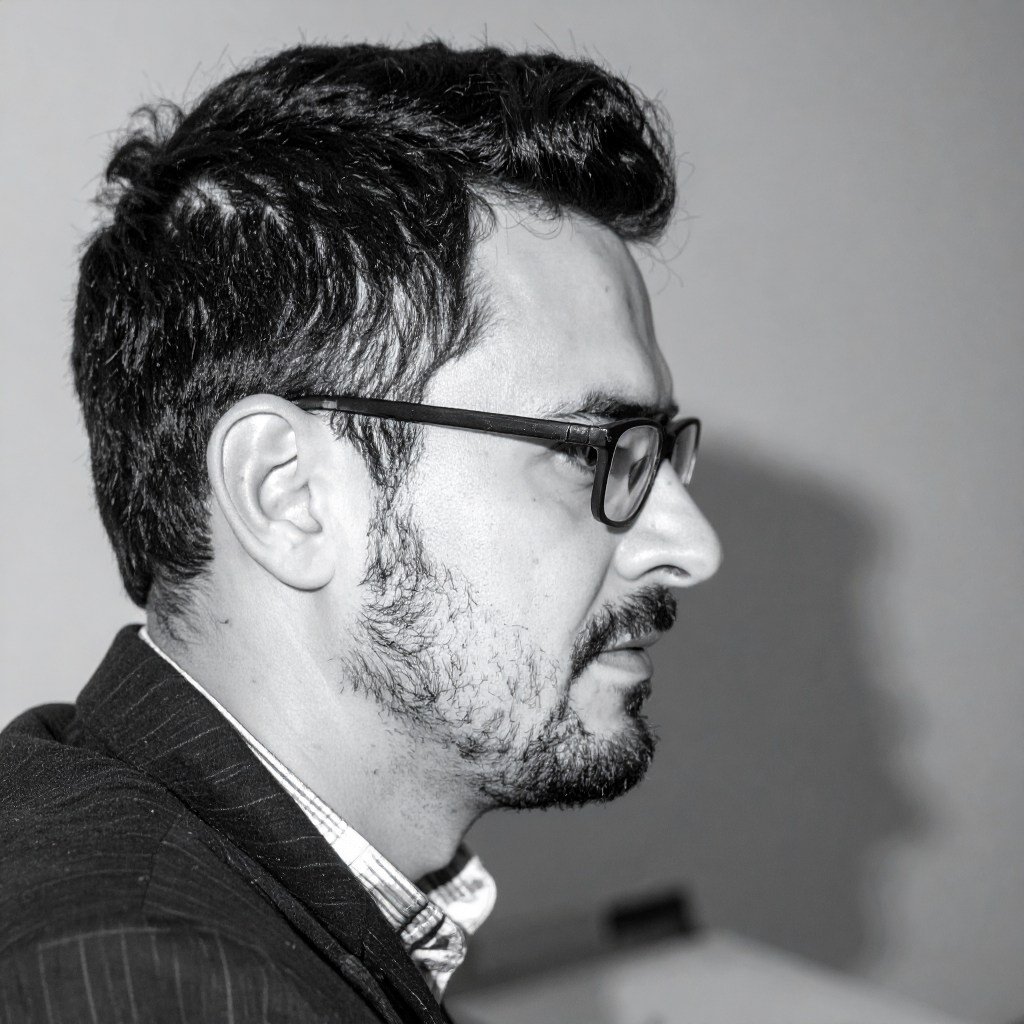
2025 Clemens Sou Varga
Mustafa Cevat Atalay’ın resimlerini sanat eleştirisi bağlamında analiz ederken üç temel düzlemde ilerlemek mümkündür: biçimsel çözümleme, anlamsal düzlem ve bağlamsal-yorumsal analiz. Atalay’ın resimleri, çizgi, doku ve yüzey gerilimi üzerine inşa edilmiş bir yapısal bilinç içerir; sanatçının kompozisyon anlayışı simetrik denge yerine kontrollü bir asimetri ile çalışır ve bu da dinamik ve süreksizlik içeren bir görsel akış yaratır. İnce, sürekli ya da kesintili çizgilerle oluşturulmuş konturlar figüratif referanslardan uzaklaşıp bir çeşit görsel düşünme alanı halini alır ve bu, özellikle çağdaş çizgi estetiğiyle ilişkilendirilebilir. Doyurulmamış tonlarla çalışması yüzeyde bir gerilim yaratır ve renkler çoğu zaman sembolik değil, yapısal işlevle yerleştirilmiştir. Genellikle tuval üzerine akrilik ya da karışık teknik uygulamalarda yüzeyin hem plastik hem de düşünsel bir araç olarak kullanıldığını görmek mümkündür. Atalay’ın resimlerinde anlam üretimi açıkça temsilî değildir; buna karşın mekânsal belirsizlikler, süreksizlikler ve dolaşık formlar izleyiciyi çağrışımsal bir alana davet eder ve bu durum, semiyotik bir bağlamda, göstergenin anlamı sürekli ertelendiği bir yapıya işaret eder. Atalay’ın çalışmaları figüratif düzlemden uzak durarak temsili değil, görsel düşünceyi önceleyen bir dili benimser ve bu, geleneksel Türk resminde “anlatı” yerine “oluş” kavramını öne çıkarır. Yüzeydeki izler bir eylemin ya da sürecin kendisini doğrudan taşımaz; bunun yerine zamanın çözüldüğü, katmanlaştığı ve çoğullaştığı bir izlek sunar. Batı’daki negatif alan anlayışından farklı olarak, Doğu estetiğine yakın duran bir dolu-boş ilişkisi ile boşluk bir anlam taşıyıcı unsur olarak işlenmiştir. Atalay’ın resimsel üretimi sadece bireysel estetik yönelimiyle değil, çağdaş Türk resmi içerisindeki konumu, gelenekle kurduğu ilişki ve epistemolojik tavrı üzerinden de analiz edilebilir. Atalay’ın üretimi, Batı merkezli modernist formları taklit etmektense, onların tarihsel arka planını eleştirel süzgeçten geçirir ve bu açıdan neo-formalist ya da yapısal sezgicilik gibi yeni kavramlarla ele alınabilir. Minyatür, hat, tezhip gibi geleneksel biçimlerle doğrudan bir figüratif ilişki kurmaz; buna karşın onların düşünsel yöntemlerini –örneğin yüzeye anlam kazıma, çizgiyle düşünme, çoklu perspektif– çağdaş soyutlamayla buluşturur. Sanatçının yaklaşımı, izleyiciyi bilgi üretim süreçlerine dahil eden, açık yapıdaki bir metin gibi işler; resimler sabit anlamlar üretmez, izleyiciyle birlikte çoğullanan ve açımlanan yapılar sunar. Mustafa Cevat Atalay’ın resimleri, biçimsel olarak çizgi ve yüzey gerilimine dayalı bir plastik dil geliştirirken; içerik düzeyinde temsili değil sezgisel ve süreçsel anlamlar üretir. Bağlamsal olarak ise, çağdaş Türk resmi içinde hem gelenekle kurduğu dolaylı ilişki hem de eleştirel modernizm-sonrası konumu açısından dikkate değer bir yönelim sunar. Eleştirinin nesnel düzeyinde, bu üretimin doğrudan estetik değil aynı zamanda düşünsel bir araştırma faaliyeti olduğu sonucuna varılabilir.
PIctures of Mustafa Cevat Atalay
When analyzing Mustafa Cevat Atalay’s paintings in the context of art criticism, it is possible to proceed on three basic planes: formal analysis, semantic plane and contextual-interpretive analysis. Atalay’s paintings contain a structural consciousness built on line, texture and surface tension; the artist’s understanding of composition works with a controlled asymmetry instead of symmetrical balance, and this creates a dynamic and discontinuous visual flow. Contours created with thin, continuous or interrupted lines move away from figurative references and become a kind of visual thinking area, and this can be associated especially with contemporary line aesthetics. His work with unsaturated tones creates a tension on the surface, and colors are often placed with a structural function rather than a symbolic one. It is often possible to see the surface used as both a plastic and an intellectual tool in acrylic or mixed media applications on canvas. The production of meaning in Atalay’s paintings is not explicitly representational; on the contrary, spatial ambiguities, discontinuities and entangled forms invite the viewer to an associative area, and this situation points to a structure in which the meaning of the sign is constantly postponed in a semiotic context. Atalay’s works stay away from the figurative plane and adopt a language that prioritizes visual thought rather than representation, and this highlights the concept of “becoming” instead of “narrative” in traditional Turkish painting. The traces on the surface do not directly carry an action or process themselves; instead, they present a path where time dissolves, becomes layered and pluralized. Unlike the understanding of negative space in the West, emptiness is processed as a meaning-carrying element with a full-empty relationship that is close to Eastern aesthetics. Atalay’s pictorial production can be analyzed not only with his individual aesthetic orientation, but also with his position in contemporary Turkish painting, his relationship with tradition, and his epistemological attitude. Rather than imitating Western-centered modernist forms, Atalay’s production critically filters their historical background and can be approached from this perspective with new concepts such as neo-formalist or structural intuitionism. He does not establish a direct figurative relationship with traditional forms such as miniature, calligraphy, and illumination; on the other hand, it combines their intellectual methods –for example, inscribing meaning on the surface, thinking with lines, multiple perspectives– with contemporary abstraction. The artist’s approach works like an open-structured text that includes the viewer in the knowledge production processes; the paintings do not produce fixed meanings, but offer structures that are pluralized and revealed together with the viewer. While Mustafa Cevat Atalay’s paintings develop a plastic language based on line and surface tension in terms of form, they produce intuitive and processual meanings rather than representational at the level of content. Contextually, they present a remarkable orientation in terms of both the indirect relationship it establishes with tradition and its critical post-modernist position within contemporary Turkish painting. At the objective level of criticism, it can be concluded that this production is not directly an aesthetic but also an intellectual research activity.
 inscriptions